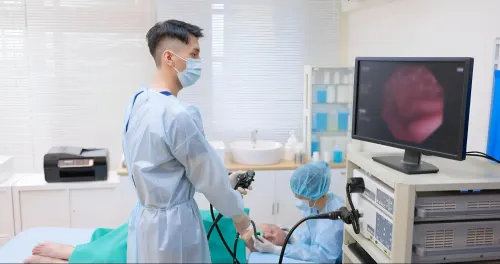

Choosing a surgeon for hernia repair involves more than searching for the nearest clinic or selecting a procedure based on online claims. A hernia can vary in location, size and complexity, so treatment should be based on a careful clinical assessment.
Dr Hemant Chhajed evaluates different types of abdominal wall hernias, including inguinal, umbilical, incisional and recurrent hernias. Patients can make a more informed decision by understanding what a thorough surgical consultation should include.
Look for a Clear Diagnosis
The first step is confirming the type of hernia and determining whether it is reducible, incarcerated or associated with bowel obstruction. Most hernias can be recognised during a physical examination, although ultrasound or other imaging may be needed in selected cases.
A useful consultation should explain:
- Where the abdominal wall defect is located
- What tissue is protruding
- Whether the hernia is increasing in size
- Whether observation is reasonable
- What could happen if treatment is delayed
- Which symptoms require emergency care
Treatment recommendations should reflect the actual findings rather than a standard package.
Ask Why a Particular Technique Is Recommended
Hernia surgery may be performed through an open or laparoscopic approach. Mesh may be used to reinforce the repair, but its type and placement can vary.
The surgeon should explain why the proposed method suits the patient’s condition. Factors may include:
- First-time or recurrent hernia
- One-sided or bilateral involvement
- Size of the defect
- Previous abdominal surgery
- Occupation and lifting demands
- Obesity or smoking
- Diabetes and wound-healing risk
- Presence of infection or obstruction
A smaller incision is not the only measure of a good repair. Proper technique and appropriate tissue reinforcement are equally important.
Evaluating Hernia Surgery Services in Nagpur
When comparing options for hernia surgery in Nagpur, Maharashtra, patients should consider the complete care pathway. This includes preoperative assessment, anaesthesia support, hospital facilities, infection-control practices and access to postoperative follow-up.
Useful questions include:
- How frequently is this type of hernia treated?
- What are the benefits and limitations of the proposed method?
- Will mesh be required?
- What anaesthesia will be used?
- How long is the expected hospital stay?
- When can routine work resume?
- How are postoperative concerns managed?
- What factors could increase recurrence risk?
Red Flags to Avoid
Be cautious when a treatment decision is based entirely on price or promises of guaranteed, painless and permanent results. Every operation has possible risks, and recovery varies among patients.
Other concerns include:
- Recommending surgery without a proper examination
- Avoiding discussion of alternative techniques
- Providing unclear instructions about medicines
- Giving no plan for follow-up
- Dismissing existing medical conditions
- Failing to explain urgent warning signs
Prepare for the Consultation
Bring previous surgical records, imaging reports and a current medicine list. Mention earlier hernia repairs, mesh placement, allergies and chronic health conditions. Patients performing manual labour should discuss lifting requirements so the recovery plan reflects their occupation.
A well-chosen surgeon should help the patient understand the diagnosis, treatment choices and realistic recovery expectations. If you need an individual assessment for a groin or abdominal wall swelling, consult Dr Hemant Chhajed for guidance on suitable hernia surgery options.
Keywords