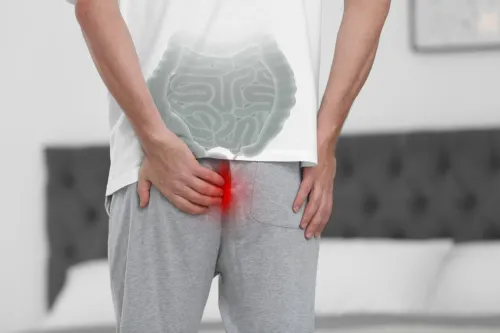
Bleeding, pain, itching or a new lump after earlier piles treatment does not prove that hemorrhoids have returned. You will be able to distinguish recurrence from other anal and colorectal conditions, match treatment to the hemorrhoid grade and anatomy, and compare laser procedures with established alternatives before choosing care in Nagpur.
Key takeaways
- Confirm the diagnosis with examination and anoscopy before repeating treatment.
- Recurrence can reflect new hemorrhoids, residual disease, constipation or another rectal condition.
- Compare laser treatment with banding, hemorrhoidectomy and stapled procedures.
- Ask about grade, recurrence risk, complications, follow-up and the surgeon’s experience.
How can you confirm that returning symptoms are actually hemorrhoids?
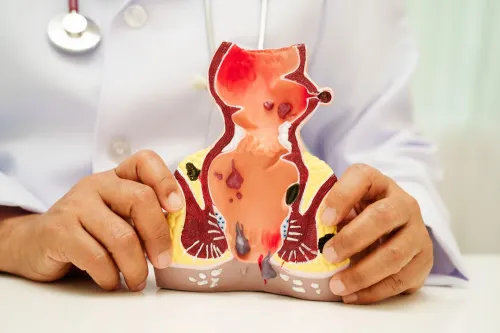
A returning symptom is not proof that a hemorrhoid has returned. Confirmation requires inspection, a digital rectal examination and usually anoscopy, which lets the clinician see internal hemorrhoids, bleeding points and prolapse. Persistent bleeding deserves diagnosis before you repeat piles treatment.
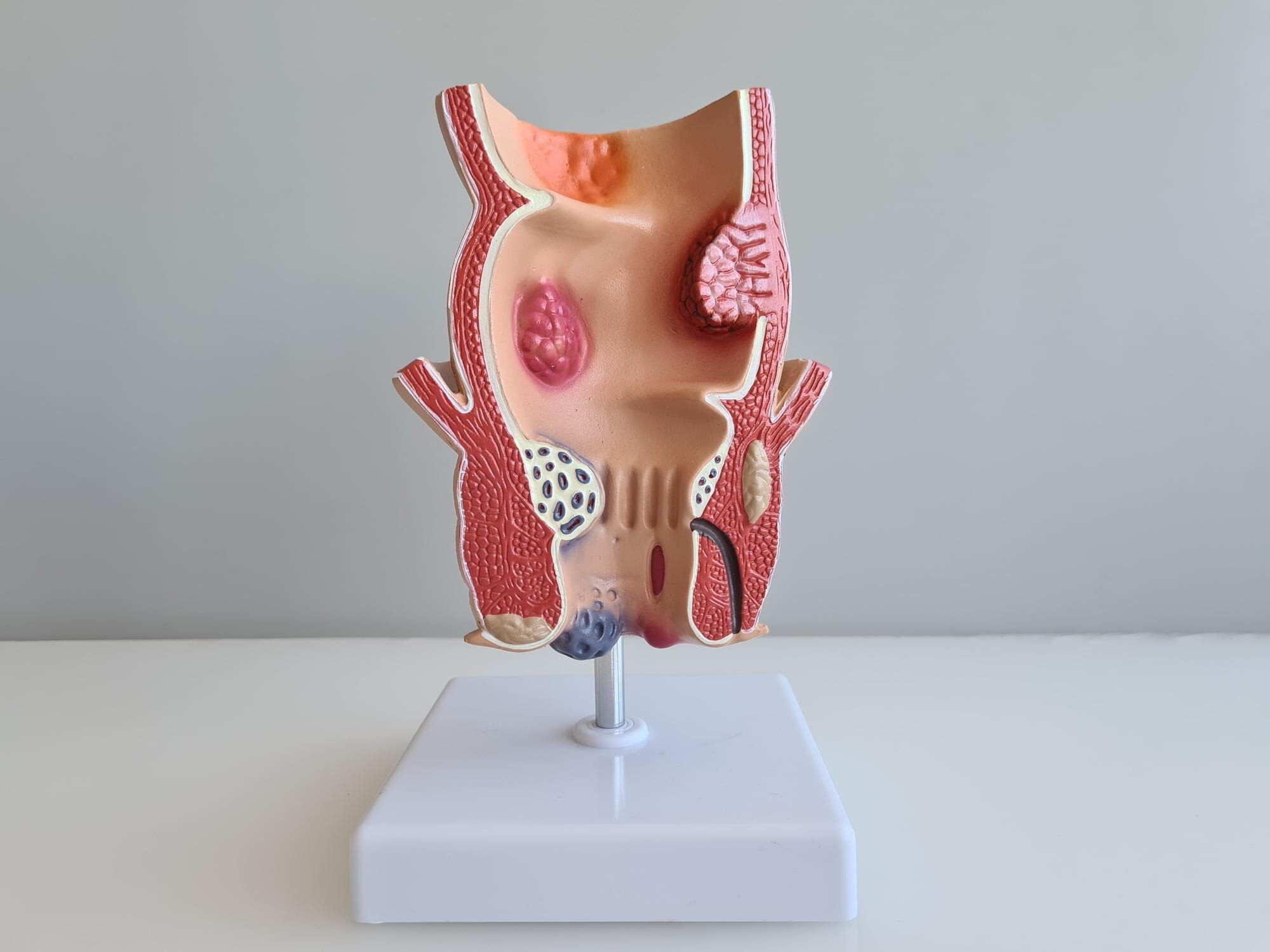
Other conditions can produce the same symptoms:
- An anal fissure causes sharp or burning pain during and after a bowel movement, often with bright-red blood.
- A fistula can cause a recurring opening, discharge or irritation near the anus.
- An abscess causes a tender, swollen lump, worsening pain and sometimes fever.
- Rectal prolapse can appear as tissue coming through the anus, especially while straining.
- Inflammatory bowel disease can cause bleeding, mucus, diarrhoea and abdominal symptoms.
- A colorectal polyp or colorectal cancer can cause bleeding, altered bowel habits, mucus or unexplained weight loss.
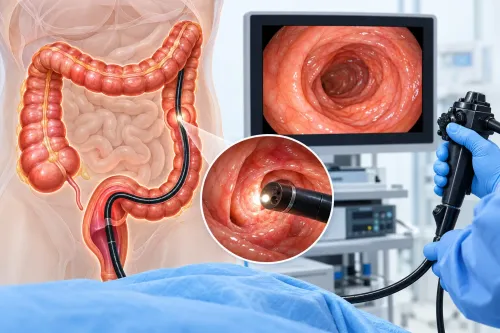
A clinician should examine any lump, swelling or mucus that persists, changes or returns after treatment. A colon evaluation may be needed when bleeding is unexplained, the examination does not identify its source, or your age and medical history raise concern.
For hemorrhoid problems in Nagpur, ask what the examination found: internal, external or mixed disease; the grade of any prolapse; and whether another anorectal condition was excluded. Seek urgent care for heavy bleeding, dizziness, fever or rapidly increasing painful swelling.
What counts as recurrence, and why can piles return after treatment?
Recurrence has three different meanings, and each points to a different next step. A symptom that returns is not proof that the original hemorrhoid has returned; the treatment may have been incomplete, or a new problem may have developed.
1. Symptoms return after treatment. Bleeding, prolapse, swelling or discomfort improves, then reappears after weeks or months. The treated hemorrhoid may have enlarged again, or another hemorrhoidal column may now be symptomatic.
2. Symptoms never fully resolve. Persistent bleeding or a lump after a procedure can indicate incomplete treatment, untreated prolapse or external disease. It can also indicate an anal fissure, fistula, abscess, rectal prolapse or another condition, so repeating piles treatment without examination is unsafe.
3. New hemorrhoids develop. Constipation, straining, frequent diarrhoea, low fibre intake, inadequate fluids and prolonged toilet sitting keep increasing pressure on the anal veins. These habits can promote new symptoms even after a technically successful procedure.
Not every risk factor applies to every patient. Start with fibre supplementation, adequate fluids, regular bowel habits and shorter toilet visits; these measures can reduce bleeding and overall symptoms, including when a procedure is later needed. Recurrent piles treatment in Nagpur should address these triggers as well as the visible hemorrhoidal tissue.
Continued bleeding, anaemia, weight loss or a change in bowel habit requires medical review rather than automatic repeat treatment.
When is laser treatment suitable for recurrent internal hemorrhoids?
Laser treatment is most suitable for recurrent internal hemorrhoids with bleeding or prolapse that remains limited, especially grade I or II disease. Grade III cases require careful selection; large prolapse, external tissue, or mixed internal-external disease usually favors excisional surgery.
Grade IV disease commonly needs hemorrhoidectomy because shrinking the internal tissue will not remove the prolapse.
| Grade | Findings | How laser suitability changes |
|---|---|---|
| I | Bleeding without prolapse | Laser coagulation or hemorrhoidoplasty may suit persistent symptoms |
| II | Prolapse during straining that reduces itself | Laser may suit selected internal disease |
| III | Prolapse requiring manual replacement | Consider laser only when prolapse is limited and external tissue is absent |
| IV | Permanently prolapsed tissue | Excisional hemorrhoidectomy usually provides a more complete treatment |
Laser hemorrhoidoplasty uses a fibre to coagulate and shrink internal hemorrhoidal tissue. Laser-assisted excision, or laser hemorrhoidectomy, cuts out tissue; it is a different operation with different pain, recovery, scarring and recurrence considerations. “Laser treatment for hemorrhoids in Nagpur” does not identify which procedure you are being offered.
Pain is not a reliable reason to choose laser: severe pain can indicate a fissure, abscess or thrombosed external hemorrhoid. Substantial external components, mixed disease, persistent prolapse or failed less-invasive treatment can leave laser coagulation incomplete.
Before choosing laser surgery for hemorroids that keep returning in Nagpur, have a digital rectal examination and anoscopy to map residual internal, external and prolapsing tissue. Ask what happens if symptoms persist.
Which non-laser treatments should you compare before deciding?
A recurrent internal hemorrhoid is not automatically a reason to choose laser treatment for hemorrhoids in nagpur. Compare the procedure with the grade, degree of prolapse, external tissue, and what the previous treatment actually addressed.
| Option | Best fit | Key trade-off |
|---|---|---|
| Rubber-band ligation | Grade I–II and selected grade III internal hemorrhoids; repeat treatment after prior banding may be possible | Office-based and effective for prolapse, but causes bleeding or pain and does not treat external disease |
| Sclerotherapy | Grade I–II bleeding without substantial prolapse, including patients needing a less invasive option | Usually limited for bulky or recurrent prolapse; repeated injections may be needed |
| Infrared coagulation | Small grade I–II internal hemorrhoids with bleeding | Quick and low-disruption, but less suitable for significant prolapse or mixed disease |
| Hemorrhoidal artery ligation | Selected grade II–III internal hemorrhoids, including recurrence after office treatment | Less tissue removal and often less pain, but persistent prolapse and recurrence remain possible |
| Stapled hemorrhoidopexy | Circumferential grade III prolapse without major external disease | Treats prolapse rather than external tissue; recurrence and staple-related complications require discussion |
| Excisional hemorrhoidectomy | Large grade III–IV prolapse, mixed internal-external disease, substantial external tissue, or failed less-invasive treatment | Most definitive for bulky disease, but recovery and postoperative pain are greater |
Ask whether the proposed recurrent piles treatment in nagpur matches the untreated problem. A laser piles surgeon should explain why laser is preferable to these options, what happens after prior treatment, and whether external or prolapsing tissue will remain.
What should a Nagpur consultation and laser surgeon comparison include?
A proper consultation for hemorrhoid problems in Nagpur starts with diagnosis, not a laser booking. The surgeon should record bleeding, prolapse, pain, constipation, straining, previous procedures and medicines, then inspect the anus, perform a digital rectal examination and use anoscopy when appropriate.
Persistent bleeding, altered bowel habits, iron-deficiency anaemia, weight loss or a family history of colorectal cancer may require selective colon evaluation, such as colonoscopy, rather than repeat piles treatment. The facility should also provide suitable anaesthesia, recovery monitoring, emergency support and a clear follow-up pathway.
Ask a laser piles surgeon in Nagpur:
- What is the exact procedure: laser hemorrhoidoplasty, laser coagulation or laser hemorrhoidectomy?
- Which grade of internal hemorrhoid is being treated, and will external or prolapsing tissue remain?
- What recurrence rate did this procedure show at a stated follow-up period?
- What complications should I recognise, including bleeding, urinary retention, infection, thrombosis, scarring or anal stenosis?
- What happens if symptoms persist, and who handles an urgent problem after discharge?
- Would rubber-band ligation, sclerotherapy, infrared coagulation, hemorrhoidal artery ligation, stapled hemorrhoidopexy or excisional hemorrhoidectomy fit better?
For laser surgery for hemorroids that keep returning in Nagpur, compare the named procedure, evidence and backup—not the “laser specialist” label alone. Dr Hemant Chhajed Surgeon should explain these trade-offs alongside examination findings, alternatives and follow-up.
Related services
Expertise ₹500 Laser treatment is an out-patient and less-invasive(कम आक्रामक) laparoscopic procedure. View service → |
LASER TREATMENT FOR HEMORROIDS Laser treatment for piles (hemorrhoids) ₹500 1) Consultation . 2) LASER TREATMENT FOR HEMORROIDS. 3) SCLEROTHERAPY FOR HEMORROIDS View service → |
Frequently asked questions
How can you confirm that returning symptoms are actually hemorrhoids?
A clinician should inspect the area, perform a digital rectal examination and usually use anoscopy to identify internal hemorrhoids, bleeding points or prolapse. Persistent bleeding needs diagnosis before repeat treatment.
What counts as recurrence, and why can piles return after treatment?
Recurrence means symptoms or hemorrhoidal tissue return after treatment or fail to resolve. Constipation, straining, prolonged toilet sitting, residual disease and new hemorrhoids can all contribute.
When is laser treatment suitable for recurrent internal hemorrhoids?
Laser treatment is considered after confirming internal hemorrhoids and assessing their grade, prolapse and prior treatment. It is not suitable for every recurrence, especially extensive external disease or another cause of bleeding.
Which non-laser treatments should you compare before deciding?
Compare fibre and bowel-habit changes for mild disease, rubber-band ligation for suitable internal hemorrhoids, and excisional hemorrhoidectomy or stapled procedures for more advanced prolapse.
What should a Nagpur consultation and laser surgeon comparison include?
Ask for the diagnosis and hemorrhoid grade, why laser fits your case, alternatives, recurrence risks, anaesthesia, recovery, follow-up and management of constipation. Compare surgeons by relevant training, experience and clear complication guidance.
Related service
Expertise ₹500 Piles, are a common condition that affects millions of people worldwide. View service → |
Keywords