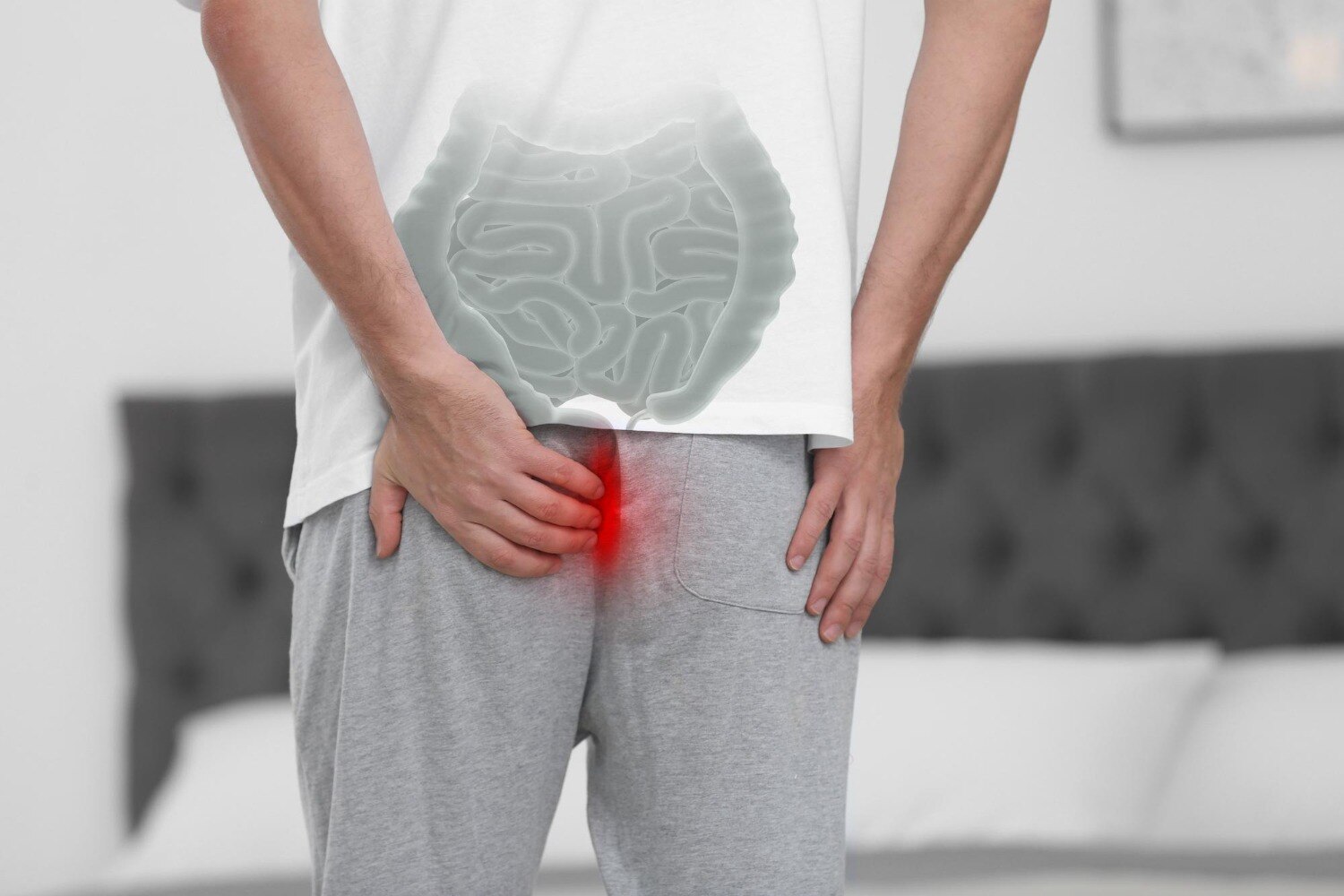
Bleeding, itching, pain or a new lump after piles treatment does not automatically mean that the original hemorrhoid has returned. You need to identify whether the cause is persistent bowel strain, a new hemorrhoid, an untreated prolapsing component or a different anal or rectal condition before choosing another procedure.
Key takeaways
- Constipation, straining and prolonged toilet sitting can trigger recurring piles symptoms.
- Bleeding or a lump can have causes other than recurrent piles and needs assessment.
- Bring previous treatment records, medication details and symptom timing to a repeat consultation.
- A second procedure is appropriate only after confirming the diagnosis and treating ongoing triggers.
Why do piles symptoms keep returning after treatment?
Symptoms returning does not prove that the original hemorrhoid has returned. A technically successful treatment can leave symptoms active when constipation, hard stools, straining, prolonged toilet sitting, diarrhoea, heavy lifting, pregnancy-related pressure or another source of increased pelvic pressure continues.
| Cause | What it means | Why symptoms return |
|---|---|---|
| Recurring symptoms | The treated hemorrhoid has settled, but irritation or pressure remains | Hard stools, straining, diarrhoea or prolonged toilet sitting can keep causing bleeding, itching, swelling or discomfort |
| Original hemorrhoid recurrence | The treated hemorrhoid has redeveloped or its prolapse has returned | The initial disease was extensive, or the underlying pressure and bowel problem continued |
| New hemorrhoid | A different internal or external hemorrhoid has formed | New pressure, constipation, pregnancy or heavy lifting affects another hemorrhoidal cushion |
A new lump soon after treatment can also be postoperative swelling, a clot in an external hemorrhoid, an anal fissure or an incompletely treated prolapsing component. Pain, itching, bleeding, swelling and a lump do not identify the cause by themselves.
That is why people searching “piles symptoms keep returning” or “piles for problems after treatment in Nagpur” should not repeat the same procedure without reassessment.
The clinician needs the treatment date, procedure details and timing of symptom return, then examines whether the problem is recurrent hemorrhoids, a new condition or a bowel habit that still needs correction.
Could the bleeding or lump be something other than recurrent piles?
Bleeding or a lump after treatment does not prove that the original hemorrhoid has returned. Postoperative swelling, a clot in an external hemorrhoid, a new hemorrhoid or an incompletely treated prolapsing component can look similar. Symptoms overlap, so timing and examination matter.
Useful clues include:
- Sharp, cutting pain during and after a bowel movement points towards an anal fissure, especially with a small streak of bright-red blood.
- Pus, fever, worsening tenderness or a rapidly enlarging swelling suggests an abscess or another infection.
- A persistent external opening that leaks pus or stains underwear suggests a fistula.
- Tissue protruding from the anus during straining may be a prolapsing hemorrhoid or rectal prolapse; the two require different treatment.
- Bleeding with diarrhoea, abdominal pain or altered bowel habits can occur with inflammatory bowel disease, polyps or colorectal cancer, not only piles.
Seek urgent care for heavy or continuous bleeding, dizziness or fainting, black or maroon stool, fever, rapidly increasing swelling, severe unremitting pain or inability to pass urine.
Arrange examination instead of repeating piles treatment when bleeding continues after apparently successful treatment, the pattern is atypical, or the diagnosis is uncertain. Colonoscopy or another investigation is considered when you have changed bowel habits, abdominal symptoms, colorectal-cancer screening is due, or bleeding persists despite treatment.
A clinician may also need inspection, digital rectal examination and anoscopy to identify the source.
What happens during a repeat assessment, and what should you bring?
A repeat assessment confirms whether the problem is recurrent hemorrhoids, an incompletely treated prolapse, a new condition or postoperative change. A pile surgery consultation in Nagpur usually follows these steps:
1. The clinician asks when bleeding occurs, how much blood appears, bowel frequency, stool consistency, straining, toilet habits, diarrhoea, medicines or creams used, and the exact date symptoms returned.
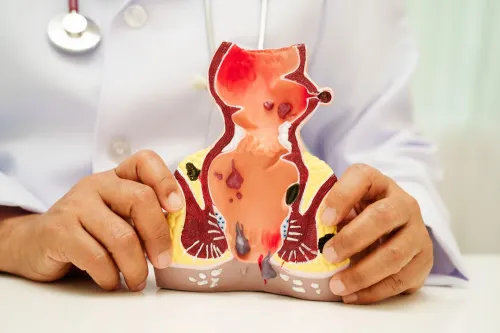
2. Inspection checks for external hemorrhoids, fissure, thrombosis, fistula openings, abscess and prolapse. A digital rectal examination assesses the anal canal and rectum.
3. Anoscopy or proctoscopy may be used to see internal hemorrhoids and record their location. This matters because treating symptoms without confirming the anatomy can lead to repeated procedures without durable benefit.
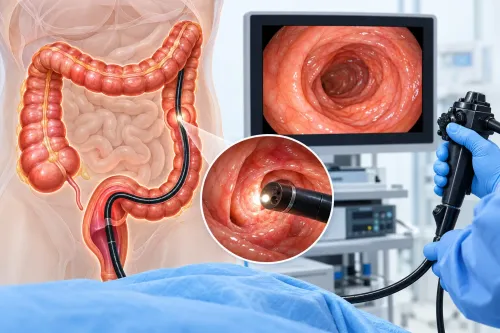
4. Colonoscopy is considered when bleeding is atypical, bowel habits have changed, abdominal symptoms are present, colorectal-cancer screening is due, or bleeding continues after apparently successful treatment.
Bring the treatment date, procedure name, number and location of treated piles, operative notes, and the pathology report if tissue was removed. Also bring a short symptom history showing bleeding amount and timing, pain, swelling, prolapse and bowel changes, plus a list of every medicine, laxative, suppository or topical product you have tried.
Photographs of visible swelling can help document a change, but they do not replace examination.
When is a second procedure appropriate for recurrent piles?
A second procedure is appropriate when examination confirms persistent or recurrent hemorrhoids and bowel-habit treatment has not controlled the problem. Choose it by the location of the disease, grade, prolapse and external component—not by repeating the previous technique automatically.
| Option | Best fit | Main trade-offs |
|---|---|---|
| Rubber-band ligation, sclerotherapy or infrared coagulation | Internal grade I–II and selected grade III hemorrhoids | Often little recovery time, but more than one session may be needed |
| Hemorrhoidal-artery procedures or laser-based procedures | Selected internal prolapsing disease | May reduce early pain, but durability, anaesthesia, recovery and further-treatment rates vary; laser is not a permanent-cure guarantee |
| Excisional hemorrhoidectomy | Substantial grade III–IV prolapse, mixed internal-external disease or large external components | More definitive, but usually more postoperative pain and risks including urinary retention, bleeding and anal narrowing |
| Stapled hemorrhoidopexy | Selected internal prolapse without substantial external disease | Less early pain than excision, but more recurrent prolapse than excisional surgery |
Repeat banding can be reasonable for a recurrent internal grade I or II hemorrhoid. Persistent prolapse after laser or another minimally invasive procedure needs reassessment, not automatic repetition.
A recurrent piles treatment in Nagpur consultation with Dr Hemant Chhajed Surgeon can compare the original procedure, current grade, pathology, anaesthesia needs, recovery time, complications and likelihood of another treatment. This prevents treatment aimed at symptoms caused by a fissure, postoperative swelling or an external clot rather than recurrent hemorrhoids.
How can you reduce the chance of another recurrence?
Hard stools, straining and long toilet sessions can keep symptoms active after a technically successful procedure. Conservative care is the better first step when bowel habits are the likely trigger, because repeating a procedure will not fix constipation, diarrhoea, an anal fissure or postoperative swelling.
- Build fibre into meals with vegetables, fruit, pulses and whole grains. Use a fibre supplement only when a clinician advises it, and increase it gradually with adequate fluids.
- Avoid pushing hard. Go when you feel the urge, leave the toilet when you finish, and do not sit scrolling after the bowel movement.
- Ask about a stool-softening treatment or a topical treatment for a limited period if pain, hard stools or local irritation is making bowel movements difficult.
- Reduce avoidable pressure: use safe technique for heavy lifting, address prolonged sitting, and discuss pregnancy-related pressure with your clinician. These factors can contribute, but do not assume they explain every episode of bleeding.
- Track whether bleeding, pain, swelling or a lump improves after your stools become easier to pass. Persistent symptoms need diagnosis, not automatic repeat treatment.
Arrange reassessment if bleeding continues, a lump enlarges, prolapse cannot be pushed back, or symptoms return despite corrected bowel habits. Seek urgent care for heavy bleeding, fever, pus, faintness, black or maroon stool, severe unremitting pain, increasing swelling or inability to pass urine.
Frequently asked questions
Why do piles symptoms keep returning after treatment?
Symptoms can return when constipation, hard stools, straining, prolonged toilet sitting, diarrhoea, heavy lifting, pregnancy-related pressure or other causes of increased pelvic pressure continue after treatment.
Could bleeding or a lump be something other than recurrent piles?
Yes. Bleeding or a lump does not prove that piles have returned. A repeat assessment helps distinguish recurrent piles from other anal, rectal or colorectal conditions.
What should you bring to a repeat piles assessment?
Bring previous procedure or consultation records, test reports, medication details, information about bowel habits, and a clear timeline showing when bleeding, pain or a lump returned.
When is a second procedure appropriate for recurrent piles?
A second procedure is considered after confirming that piles are the cause, assessing their location and severity, and addressing triggers such as constipation or straining.
How can you reduce the chance of another piles recurrence?
Prevent hard stools, avoid straining, limit toilet sitting, manage diarrhoea, follow post-treatment instructions, and seek review when symptoms return instead of self-treating repeatedly.
Keywords