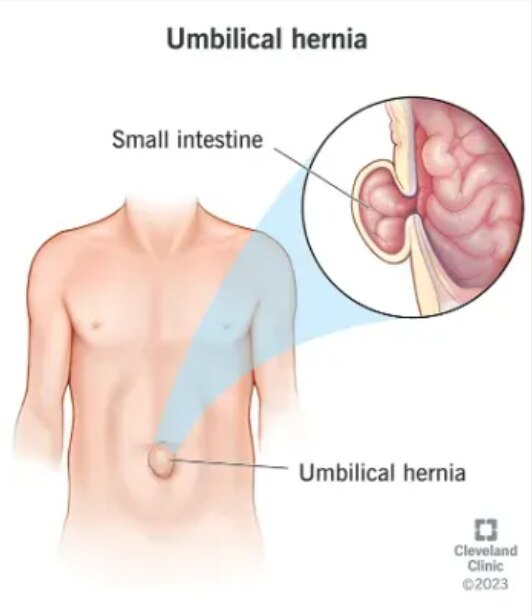
An umbilical hernia repair and a left hemicolectomy involve different organs, different surgical goals and different recovery concerns. By comparing the anatomy, reasons for surgery, tests, operative choices and risks, you can prepare for the right consultation and ask questions that match your condition.
Key takeaways
- Umbilical hernia repair strengthens the abdominal wall; left hemicolectomy removes diseased colon.
- A left hemicolectomy may require bowel reconnection and closer follow-up than hernia repair.
- Ask which diagnosis requires surgery, what tissue will be removed, and whether procedures will be combined.
- Discuss hospital stay, wound care, bowel changes and warning signs before scheduling surgery.
What Each Surgery Actually Treats
These are not interchangeable operations: umbilical hernia repair fixes the abdominal wall, while a left hemicolectomy removes diseased bowel. They involve different anatomy, goals, risks and follow-up.
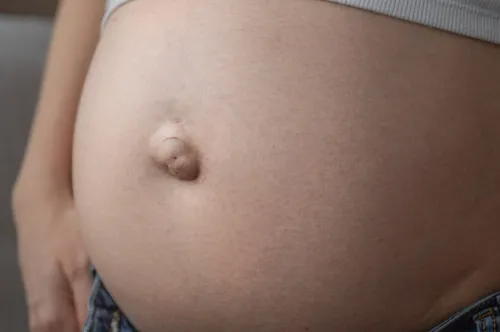
Umbilical hernia repair treats a weakness or opening at the navel. The surgeon returns protruding fat or intestine to the abdomen, then closes the defect with stitches. Mesh reinforcement may be considered for a larger opening or a higher risk of recurrence.
A painful, enlarging or difficult-to-reduce hernia creates an abdominal-wall decision, not an automatic reason to remove bowel.
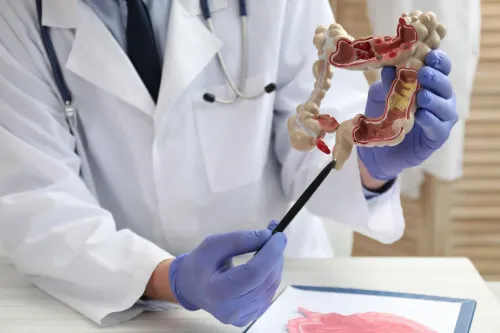
A left hemicolectomy removes a diseased section of the left colon, usually including part of the descending colon and the area approaching the sigmoid junction. The surgeon must plan around nearby blood vessels and lymphatic drainage, remove tissue with an adequate blood supply, and ensure the remaining bowel ends can heal safely.
Use this distinction when assessing the reason for surgery:
- A hernia operation is considered for symptoms, enlargement, incarceration or threatened strangulation at the navel.
- A left hemicolectomy may treat colon cancer, diverticular disease, a stricture, significant bleeding or ischemic disease identified through symptoms, colonoscopy, biopsy or CT findings.
- When comparing an umbilical hernia surgeon in nagpur with a colon surgeon, check expertise for abdominal-wall repair rather than assuming every abdominal operation is equivalent.
Why the Diagnosis and Surgical Recommendation Differ
The recommendation differs because doctors examine a wall defect in one case and investigate diseased bowel in the other. A small, reducible, minimally symptomatic umbilical hernia may be observed after examination. Increasing pain, enlargement, vomiting, inability to push the lump back, or skin discoloration needs prompt assessment for incarceration or strangulation.
| Condition | How it is assessed | What drives the recommendation |
|---|---|---|
| Umbilical hernia | Hands-on examination checks defect size, tenderness, reducibility and skin changes; ultrasound or CT clarifies uncertain diagnosis, contents or complications | Observation may suit a small, reducible, minimally symptomatic defect; worsening symptoms or trapped tissue may require urgent repair |
| Left-sided colon disease | Colonoscopy identifies the lesion; biopsy examines suspicious tissue; CT shows bowel and surrounding structures; a complete blood count checks bleeding or anaemia | Location, pathology, symptoms, obstruction, inflammation and safe removability determine whether resection is appropriate |
For suspected colon cancer, additional staging scans and multidisciplinary review can change the planned operation. A left hemicolectomy recommendation depends on whether the diseased segment can be removed safely, not simply on the presence of abdominal symptoms.
Ask a left hemicolectomy surgeon in Nagpur to explain:
- Which colon segment contains the lesion
- What the colonoscopy, biopsy, CT and blood tests show
- Whether obstruction, inflammation, bleeding or cancer affects timing
- Whether the disease can be removed safely and what alternatives exist
A hernia consultation instead centres on defect size, reducibility, symptoms and the risk of leaving it untreated. These evaluations require different evidence, even though both involve abdominal surgery.
How the Operations Are Performed—and When They Are Combined
Similar access does not make these the same operation. Both may be performed through an open incision, laparoscopic ports or robotic instruments, but the work inside the abdomen remains different.
- Open surgery
- Laparoscopic surgery
- Robotic surgery
Hernia repair returns protruding tissue to the abdomen, closes the umbilical-wall defect and uses either sutures or mesh. Mesh may improve durability for a larger defect or higher recurrence risk, but contamination raises the risk of mesh infection.
A left hemicolectomy mobilises the left colon, removes the planned segment with its appropriate blood vessels and lymph nodes, and assesses whether the bowel ends have enough blood supply to be joined in a primary anastomosis.
Contamination, poor blood supply, obstruction, severe inflammation, emergency surgery or the patient’s medical condition can make a protective or end colostomy safer; it may be temporary or permanent.
An existing umbilical hernia is not automatically repaired during colectomy. Combining the procedures depends on contamination risk, mesh infection concerns, hernia symptoms and size, operative time and the overall bowel plan. Discuss that decision during a left hemicolectomy consultation.
The surgeon may change from minimally invasive to open surgery because of:
- Bleeding
- Dense adhesions
- Unclear anatomy
- Cancer extent
- Inability to complete the operation safely
Recovery, Complications and the Practical Difference
An uncomplicated umbilical hernia repair may be day-case or short-stay surgery, with recovery centred on wound care, pain control, and gradual return to lifting and other activities according to the repair.
A left hemicolectomy usually needs inpatient observation because the team must confirm bowel function, diet tolerance, mobility, pain control, and early signs of leakage or infection.
| Operation | Typical recovery | Important risks |
|---|---|---|
| Umbilical hernia repair | Home the same day or after a short stay; increase activity as advised | Recurrence, wound infection, chronic pain, and mesh-related infection when mesh is used |
| Left hemicolectomy | Hospital monitoring until bowel function and eating improve | Anastomotic leakage, ileus, bowel obstruction, bleeding, infection, and injury to nearby organs |
A colectomy also brings practical stoma care if the bowel ends cannot be safely joined or a protective stoma is created. You may need to learn how to empty and change the appliance, protect the surrounding skin, and recognise dehydration, blockage, or leakage.
Open surgery, medical conditions, and complications can lengthen recovery after either operation. A laparoscopic hemicolectomy is still major bowel surgery; minimally invasive access does not make it equivalent to a minor hernia repair.
Your operating team must give the final instructions on wound checks, lifting limits, driving, diet, medicines, and warning signs, because those recommendations depend on the actual procedure and what happened during surgery.
Questions to Take to the Right Surgical Consultation
Take two separate question lists to the consultation: the correct expertise depends on the operation, not simply on finding an abdominal surgeon in Nagpur.
For an umbilical hernia appointment, ask:
- What is the defect’s size, and is it reducible?
- Is suture repair enough, or would mesh lower the recurrence risk?
- Is observation reasonable for me?
- Which activities, lifting limits and return-to-work dates apply after repair?
For a left hemicolectomy consultation, ask:
- Which colon segment and lymph nodes will you remove, and why is surgery needed?
- Will the operation be open, laparoscopic or robotic?
- How will bowel preparation and anticoagulant medicines be managed?
- What will you do if the bowel ends cannot be safely joined?
- What is my likelihood of a temporary or permanent stoma?
- How much colorectal surgery does the hospital perform?
- If cancer is suspected, will staging be reviewed by a multidisciplinary team?
| Operation | Questions that matter | Follow-up focus |
|---|---|---|
| Umbilical hernia repair | Defect, reducibility, mesh versus sutures and recurrence | Wound care, activity restrictions and recurrence |
| Left hemicolectomy | Resection length, lymph nodes, anastomosis and stoma plan | Bowel function, leakage, infection and cancer treatment |
A patient seeking an umbilical hernia and left hemicolectomy surgeon in Nagpur can use these answers to compare the specific operation, hospital plan and follow-up. Dr Hemant Chhajed Surgeon can discuss those details without treating both procedures as one service.
Related services
Expertise ₹500 Hernias are a common medical condition that occurs when an organ or fatty tissue pushes through a weak spot in the surrounding muscles or connective... View service → |
Expertise ₹500 An umbilical hernia is a tissue bulge on or near your belly button. Umbilical hernias in children usually disappear by age 4 or 5. View service → |
Frequently asked questions
What does umbilical hernia surgery treat?
It repairs a weakness in the abdominal wall near the navel and returns the protruding tissue to the abdomen. The surgeon may use sutures or mesh to reinforce the area.
What does a left hemicolectomy treat?
It removes the diseased section of the left side of the colon. The remaining bowel is often joined together, depending on the disease and the patient’s condition.
Can umbilical hernia repair and left hemicolectomy be performed together?
They can be combined when both conditions require surgery and the patient’s health, bowel condition and operative plan make a combined procedure appropriate.
How do recovery and complications differ?
Hernia repair focuses on abdominal-wall healing and avoiding heavy lifting. Left hemicolectomy involves bowel recovery and carries risks such as leakage, infection, bleeding and changes in bowel function.
Keywords