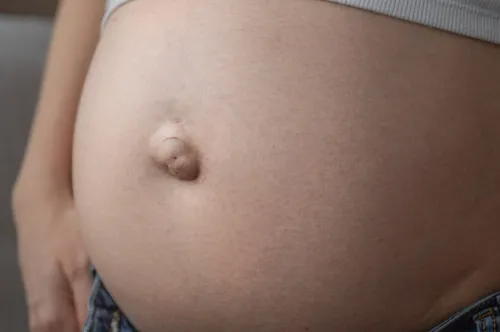
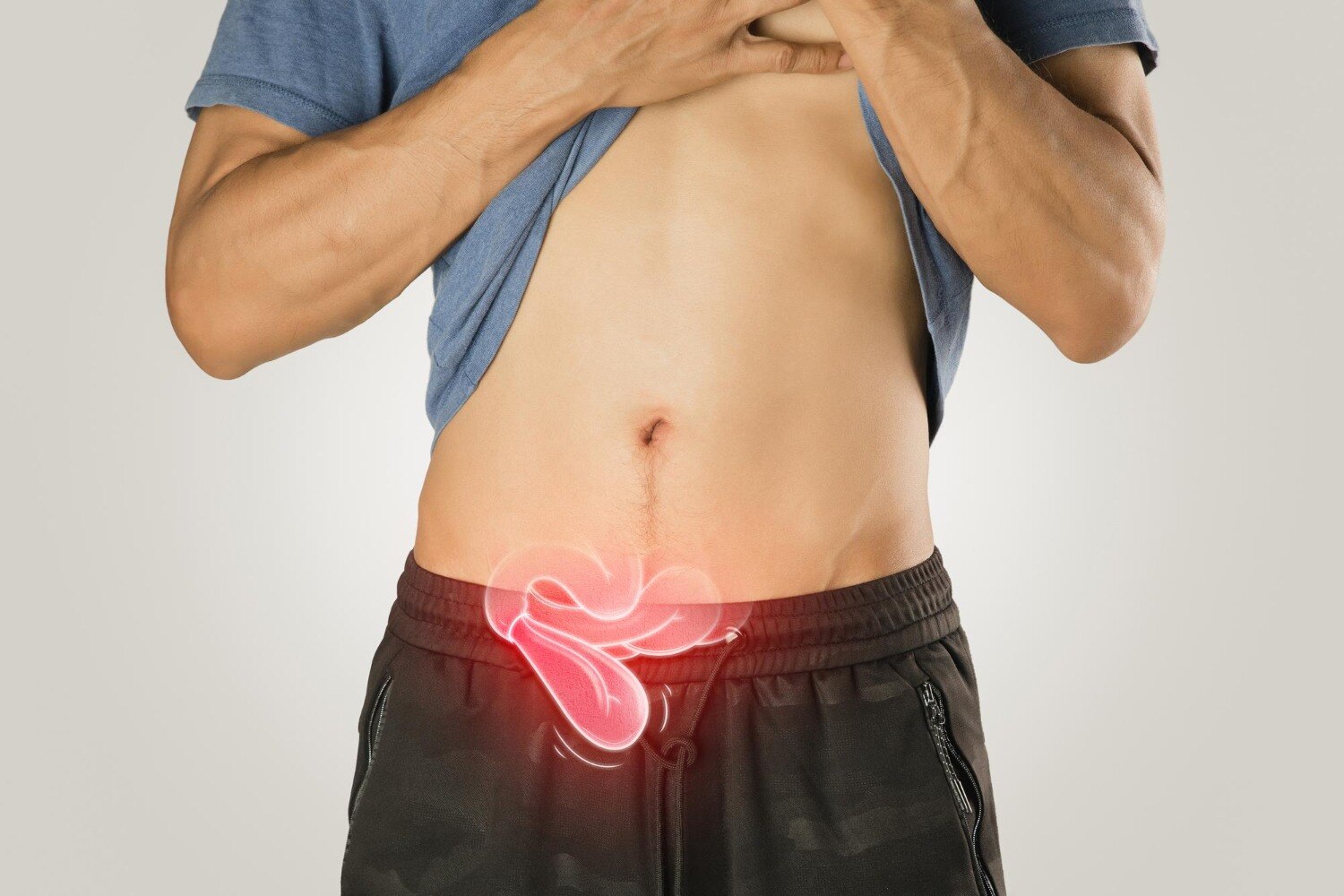
Soreness, bruising, groin tightness and scrotal swelling can be part of healing, but recovery should show a steady trend towards improvement. You will learn how to check the wound, recognise urinary, bowel and bleeding emergencies, and decide when worsening symptoms need direct surgical assessment in Nagpur.
Key takeaways
- Walk gently and increase activity without lifting until your surgeon clears it.
- Keep the dressing clean and dry; never pull away adhesive strips.
- Seek emergency care for breathing trouble, fainting, heavy bleeding, or severe worsening pain.
- Arrange same-day assessment for fever, spreading redness, pus, vomiting, or inability to pass urine.
What should recovery look like day by day?
Recovery after open or laparoscopic repair should move gradually from soreness and tightness towards easier movement, not from bed rest to strenuous exercise.
| Time | Expected recovery | What to do |
|---|---|---|
| First 24 hours | Incision soreness, groin tightness, fatigue, bruising and mild swelling can occur. Swelling may extend around the penis or scrotum. | Rest, take prescribed medicines, and walk gently around the room. Follow instructions for lifting, bathing and driving. |
| Days 2 to 7 | Bruising and swelling can look more noticeable before they settle, but pain and tightness should begin easing. | Walk a little more each day. Increase activity according to pain and the operating surgeon’s instructions, not a fixed internet timetable. |
| Following weeks | Energy and movement should improve. A soft lump can be a seroma, meaning fluid in the space where the hernia was; it can last for weeks without proving recurrence. | Monitor its size and comfort. Swelling should trend downward. |
Prolonged bed rest slows recovery and is not the goal after an uncomplicated repair. Contact the surgical team for rapidly increasing swelling, severe pain, or a tense lump.
Arrange an examination for a new bulge after initial swelling settles, especially if it appears while standing or coughing, remains reducible but enlarges, or progressively grows. Pain alone cannot diagnose recurrence. This day-by-day approach is useful for inguinal hernia recovery in Nagpur.
How do you check the dressing and wound safely?
A reassuring incision is closed, dry or lightly stained, with mild bruising and limited tenderness that is not getting worse. Wash and dry your hands, then inspect the dressing and nearby skin in good light; do not pick at surgical glue, Steri-Strips or stitches. Follow your discharge instructions before removing or changing any dressing.
| Reassuring finding | Wound problem needing advice |
|---|---|
| Mild bruising and limited tenderness | Redness that spreads beyond the incision |
| A small, stable mark on the dressing | Increasing heat, swelling or tenderness |
| Edges remain closed | Pus, foul-smelling drainage or wound separation |
| Skin looks stable day by day | A dressing soaked with blood or other fluid |
A temperature of 38°C or higher requires prompt contact with the surgical team, especially when redness, drainage or worsening pain is present. Do not wait for a routine appointment.
If the dressing becomes saturated, do not keep pressing or repeatedly uncovering the wound. Place clean gauze over it and contact the surgical team for instructions. If the incision opens, cover it with clean gauze, avoid pushing tissue back inside, and seek advice promptly.
Do not apply leftover antibiotics; they can mask infection and delay the correct treatment.
For hernia wound problems in Nagpur, keep a dated photograph, your operation date, repair type and discharge instructions ready when you call. Persistent drainage, a recurrent tender swelling or fever needs examination for a deeper infection, not self-treatment.
Which symptoms need same-day or emergency assessment?
A painful groin lump that cannot be pushed back is an emergency, especially with vomiting, abdominal swelling, inability to pass stool or gas, or rapidly worsening pain. Do not force it back or wait for a clinic appointment in Nagpur; seek urgent assessment for possible trapped or strangulated bowel.
| Symptom pattern | What it may indicate | Action |
|---|---|---|
| Rapidly enlarging groin or scrotal swelling, a hard or tense lump, faintness, or bleeding that does not stop with firm pressure | Haematoma or significant bleeding | Contact the surgical team immediately; use emergency care if you feel faint or weak |
| Inability to pass urine, painful bladder fullness, or increasing lower-abdominal discomfort | Urinary retention after repair | Contact the surgical team the same day; do not wait for routine follow-up |
| Repeated vomiting, increasing abdominal distension, inability to pass stool or gas, or escalating abdominal pain | Bowel obstruction or bowel injury | Seek emergency assessment now |
These warning signs matter when considering inguinal hernia problems after surgery in Nagpur or anywhere else: deterioration matters more than the planned review date. Keep pressure on external bleeding with clean gauze while arranging help, but do not apply leftover antibiotics or delay care.
A rapidly worsening painful swelling, severe weakness, confusion, breathing difficulty, or collapse requires emergency services.
When is postoperative pain normal, and when is it not?
Pain that eases as you move through recovery is usually reassuring. The same rule applies to inguinal hernia pain after surgery in Nagpur: judge its direction, severity and effect on function, not one painful moment.
1. Improving soreness, bruising, groin tightness, numbness or a fluid-related lump fits ordinary healing after open or laparoscopic repair. Contact the surgical team if pain worsens, becomes severe, returns after a period of improvement, prevents walking, or keeps you awake despite the prescribed plan.
2. Burning, electric-shock-like, stabbing or hypersensitive pain points towards nerve-related pain rather than simple incision soreness. Moderate pain that remains bothersome, affects daily activities and lasts at least three months meets the international guideline definition of chronic postoperative inguinal pain.
3. Persistent pain does not prove mesh failure and does not automatically mean another operation. Assessment should check for recurrence, infection, nerve pain, mesh-related problems, hip disease and spine disease before treatment is chosen.
4. Seek prompt surgical advice for pain with persistent drainage, spreading redness, fever, a chronic draining opening or a recurrent tender mass. A small laparoscopic port wound does not exclude a deeper mesh or recurrence problem; do not treat suspected infection with leftover antibiotics.
Record when the pain occurs, what triggers it, its severity, sleep disruption and any bulge or wound change. This information helps the surgeon decide between observation, medication, nerve-directed treatment, imaging or specialist pain assessment.
How should follow-up work when recovery is changing?
A changing recovery needs symptom-led follow-up, not waiting for the next appointment. For inguinal hernia follow up in Nagpur, keep these details ready:
- Record the operation date and repair type: open or laparoscopic, and whether mesh was used.
- Keep the discharge instructions, medication list, and surgeon’s contact details together.
- Take dated photographs of a changing wound, using the same distance and lighting; measure a growing lump with a ruler.
- Call the operating team promptly for worsening pain, a new or enlarging bulge, persistent drainage, fever of 38°C or higher, difficulty passing urine, or increasing testicular or scrotal swelling.
- Seek urgent assessment for a hard or rapidly enlarging swelling, faintness, uncontrolled bleeding, repeated vomiting, increasing abdominal distension, or a painful lump that will not go back in.
Open and laparoscopic repairs can both cause fluid collections, numbness, bruising and discomfort. Small port wounds do not exclude a deeper collection, infection, mesh-related problem or recurrence, so a neat-looking skin incision is not enough reassurance.
Dr Hemant Chhajed Surgeon can use the operation details and examination to separate expected healing from recurrence, infection, seroma, nerve pain or another cause. The next step may be observation, medication, imaging or further treatment; persistent pain alone does not prove mesh failure or mean another operation is necessary.
Related services
Expertise ₹500 An inguinal hernia occurs when tissue, such as part of the intestine, protrudes through a weak spot in the abdominal muscles. View service → |
Expertise ₹500 Hernias are a common medical condition that occurs when an organ or fatty tissue pushes through a weak spot in the surrounding muscles or connective... View service → |
Frequently asked questions
What should inguinal hernia recovery look like day by day?
Expect soreness, tightness, bruising, and slower movement at first. Walking should become easier gradually, while strenuous exercise and heavy lifting wait for your surgeon’s advice.
How do you check an inguinal hernia dressing and wound safely?
Wash your hands first, inspect for increasing redness, warmth, swelling, bleeding, fluid, or wound separation, and keep the dressing clean and dry. Do not scrub the incision or remove adhesive strips unless instructed.
Which symptoms need same-day or emergency assessment after hernia surgery?
Contact your surgical team the same day for fever, spreading redness, pus, repeated vomiting, worsening swelling, or difficulty passing urine. Seek emergency care for severe pain, heavy bleeding, fainting, chest pain, or breathing difficulty.
When is postoperative inguinal hernia pain normal?
Mild to moderate soreness, tightness, bruising, and pain with movement can occur during early healing. Pain that escalates, stops responding to prescribed medicine, or comes with fever, vomiting, wound changes, or a tense swelling needs assessment.
How should inguinal hernia follow-up work when recovery is changing?
Contact your operating team when symptoms worsen or new symptoms appear instead of waiting for a scheduled visit. Keep your discharge papers, medicine list, temperature readings, wound photographs, and symptom timeline ready for follow-up.
Keywords