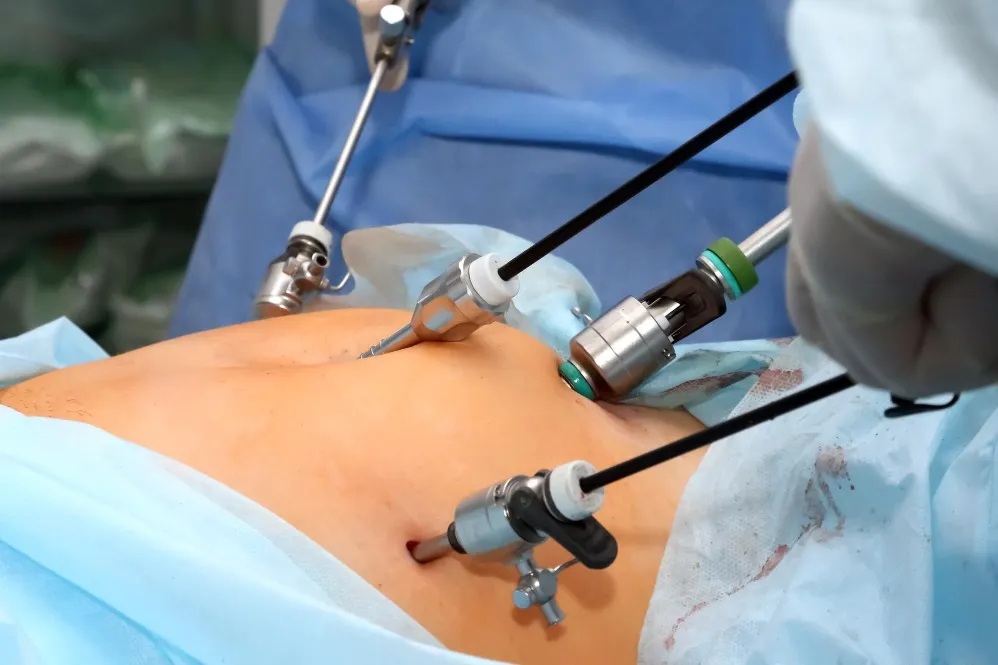
Laparoscopic surgery allows many abdominal procedures to be performed through small incisions using a camera and specialised instruments. It is frequently described as minimally invasive surgery, but the suitability of this approach depends on the disease, previous operations and the patient’s overall condition.
For patients exploring laparoscopic surgery, Dr Hemant Chhajed reviews the diagnosis and available treatment approaches before discussing the likely benefits. The goal is not merely to create smaller incisions; it is to perform the necessary operation safely and effectively.
Procedures Commonly Performed Laparoscopically
Depending on the clinical situation, laparoscopic techniques may be used for:
- Gall bladder removal
- Appendix removal
- Selected hernia repairs
- Hiatus hernia surgery
- Heller cardiomyotomy
- Diagnostic abdominal procedures
- Selected intestinal operations
The technique used for one procedure cannot automatically be applied to every abdominal condition.
Potential Benefits of Laparoscopic Surgery
Compared with a larger open incision, suitable patients may experience:
- Smaller surgical wounds
- Less wound-related discomfort
- Earlier mobilisation
- Shorter hospital stay in selected cases
- Faster return to routine activities
- Lower risk of certain wound complications
- Smaller visible scars
These are potential benefits rather than guarantees. Recovery is also influenced by the complexity of the operation, age, diabetes, body weight and complications present before surgery.
When Open Surgery May Be More Appropriate
Open surgery may be preferred when it provides safer access or better control. Possible reasons include severe infection, extensive scarring from previous operations, a very large defect, unstable health or unexpected findings during surgery.
Conversion from laparoscopic to open surgery may occasionally become necessary. Patients should understand this possibility before giving consent.
Readiness for Laparoscopic Surgery in Nagpur
Before undergoing laparoscopic surgery in Nagpur, Maharashtra, patients should be able to answer several important questions:
- Has the diagnosis been clearly established?
- Have non-surgical options been considered where appropriate?
- Are diabetes and blood pressure adequately controlled?
- Has the anaesthesia assessment been completed?
- Has the surgeon reviewed previous abdominal operations?
- Are the expected benefits realistic for this condition?
- Is there support available during early recovery?
- Are the postoperative restrictions understood?
Smoking, anaemia, poor nutrition and uncontrolled medical conditions may increase surgical risk. Addressing modifiable factors can improve readiness.
Questions to Ask the Surgeon
A useful consultation should cover:
- Why is surgery recommended?
- Is a laparoscopic approach suitable for this condition?
- What alternatives are available?
- Could an open incision become necessary?
- How long might the hospital stay be?
- When can work, driving and exercise resume?
- Which warning signs require immediate review?
Clear answers allow patients and families to plan leave, transport, meals and home support.
Supporting Recovery After Surgery
Early walking is often encouraged to improve circulation and bowel movement. Patients should follow instructions regarding food, wound care, medicines and lifting restrictions. Heavy activity should not resume simply because the incisions appear small.
Fever, increasing pain, repeated vomiting, wound discharge, progressive abdominal swelling or breathing difficulty should be reported promptly.
Laparoscopic surgery can offer meaningful advantages when used for the right condition and patient. For a personalised assessment of whether minimally invasive surgery is appropriate, arrange a consultation with Dr Hemant Chhajed.
Keywords