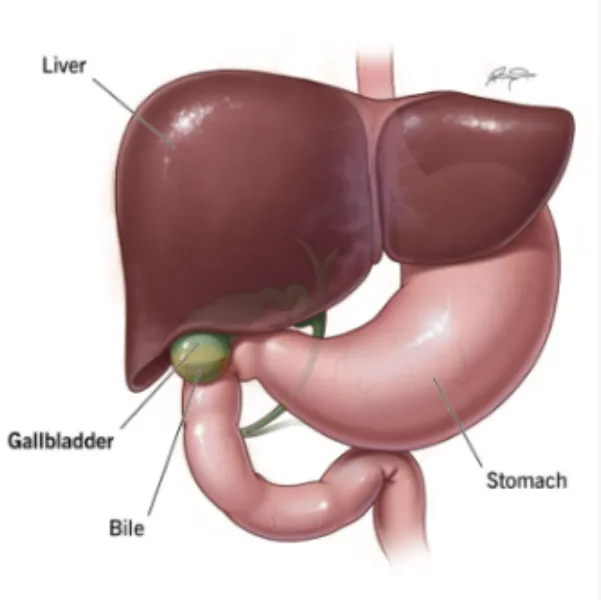
Gallstones may remain silent for years, but they can also block the flow of bile and cause severe upper abdominal pain. Repeated attacks, gall bladder inflammation, pancreatitis or obstruction of the bile duct may lead to a recommendation for gall bladder surgery.
Dr Hemant Chhajed assesses the pattern of symptoms, ultrasound findings and overall health before planning treatment. The most common operation is a laparoscopic cholecystectomy, in which the gall bladder is removed through small abdominal incisions.
Before Gall Bladder Surgery in Nagpur
Patients preparing for gall bladder surgery in Nagpur, Maharashtra, should use the preoperative consultation to understand both the procedure and the recovery process. Preparation may include blood tests, liver-function tests, ultrasound imaging, an ECG or additional investigations based on age and health conditions.
Use this practical checklist before admission:
- Share a complete list of medicines and supplements.
- Mention any allergy or previous reaction to anaesthesia.
- Follow instructions regarding fasting.
- Ask how diabetes medicines should be managed.
- Do not stop blood-thinning medicines without specific advice.
- Arrange transport home after discharge.
- Plan for help with cooking and household duties.
- Keep loose clothing ready for the early recovery period.
Patients should also report fever, jaundice, worsening pain or vomiting before the scheduled procedure.
What Happens During the Operation?
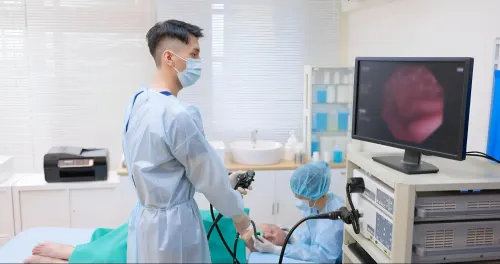
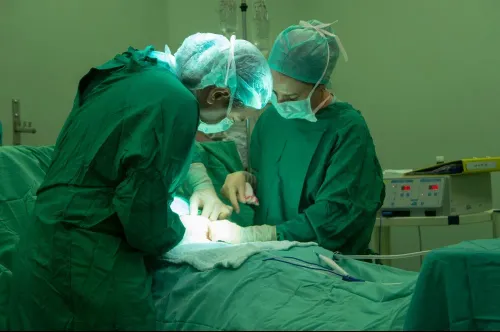
During laparoscopic gall bladder surgery, the abdomen is gently inflated to create working space. A camera and instruments are inserted through small incisions, and the gall bladder is separated and removed.
In some situations, an open operation may be safer. Severe inflammation, dense adhesions, unusual anatomy or uncontrolled bleeding can make conversion from laparoscopic to open surgery necessary. This is a safety decision rather than a failed procedure.
Common Mistakes to Avoid After Surgery
A smooth recovery depends partly on avoiding preventable strain and digestive discomfort.
Returning to Heavy Work Too Early
Feeling comfortable does not mean that the deeper tissues have completely healed. Follow the advised restrictions for lifting, driving and strenuous exercise.
Eating a Heavy Meal Immediately
Some patients temporarily experience bloating or loose stools after fatty meals. Begin with smaller portions and gradually return to a balanced diet.
Ignoring Constipation
Reduced activity and pain medicines can slow bowel movements. Fluids, fibre and gentle walking can help unless different instructions have been given.
Missing Follow-Up
Follow-up allows the surgeon to review the wounds, discuss the pathology report and address digestive or pain-related concerns.
Recovery Checklist at Home
During the first few days:
- Take prescribed medicines as directed.
- Keep the wounds clean and dry.
- Walk at comfortable intervals.
- Eat smaller, lighter meals.
- Avoid alcohol while using relevant medicines.
- Watch for unexpected symptoms.
Fever, persistent vomiting, worsening abdominal pain, jaundice, breathing difficulty or wound discharge needs prompt medical review.
Can You Live Normally Without a Gall Bladder?
The liver continues to produce bile after the gall bladder is removed. Most people eventually return to a normal diet, although individual tolerance for very fatty foods can vary.
Good preparation turns an unfamiliar procedure into a more manageable experience. To discuss gallstones, recurring upper abdominal pain or readiness for cholecystectomy, schedule an evaluation with Dr Hemant Chhajed.
Keywords