The two treatments address different problems, so the safest plan is usually to assess the piles and bariatric surgery separately before deciding which comes first. You will be able to identify the right specialist, prepare a complete medication and bowel-history checklist, and recognise when symptoms require urgent review rather than routine piles care.
Key takeaways
- Treat severe bleeding, thrombosis, infection, or obstructed prolapse urgently.
- Confirm that your symptoms are hemorrhoids before choosing laser treatment.
- Plan fibre, fluids, supplements, and bowel medicines around postoperative diet stages.
- Give both surgeons your complete medication list and planned operation dates.
Which treatment should come first: piles care or bariatric surgery?
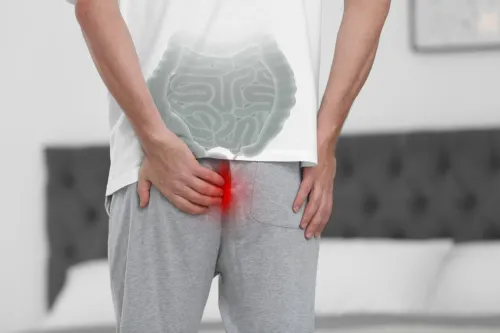
The more urgent problem comes first: severe bleeding, thrombosis, infection or an obstructed prolapse may require piles treatment before weight loss surgery. Laser hemorrhoidoplasty and bariatric surgery are separate operations; treating obesity does not reliably remove an existing prolapsing or bleeding hemorrhoid, and treating piles does not reduce the need for bariatric surgery.
| Situation | Usual sequence | Reason |
|---|---|---|
| Urgent anorectal problem | Piles assessment and treatment first | Bleeding, thrombosis, infection or obstructed prolapse needs priority |
| Stable hemorrhoid | Bariatric programme may proceed; use conservative piles care | Surgery can wait while weight and bowel habits improve |
| Recent bariatric surgery | Delay elective laser treatment | Vomiting, dehydration, rapid diet changes, venous-thromboembolism risk and early nutritional problems complicate recovery |
Arrange a joint review with the bariatric surgeon, colorectal or proctology surgeon and anaesthetist. Bring the planned operation date, bariatric procedure, hemorrhoid symptoms and duration, bowel frequency, bleeding pattern, recent blood tests, weight-loss medicines, and every prescription, over-the-counter medicine and supplement.
Do not proceed with either elective procedure until unexplained rectal bleeding, anaemia, fever, inability to keep fluids down or worsening abdominal symptoms have been assessed. After bariatric surgery, black stools, substantial bleeding, fainting, shortness of breath or severe abdominal pain require urgent surgical advice or emergency care.
Never stop a blood thinner without instructions from its prescribing clinician.
Is laser treatment appropriate for the symptom you call piles?
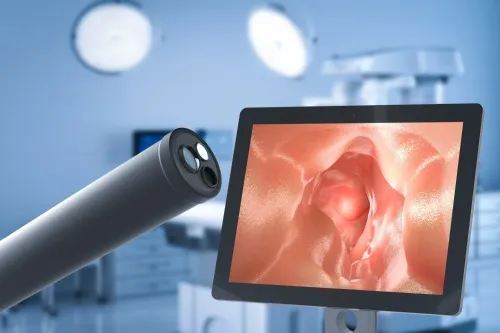
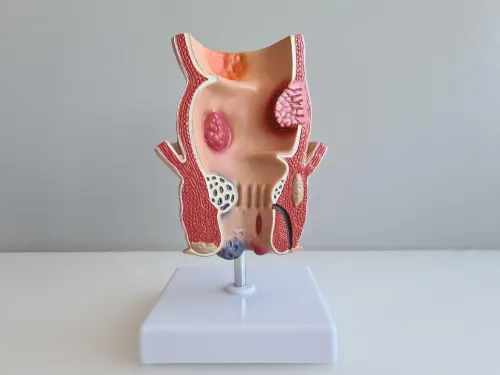
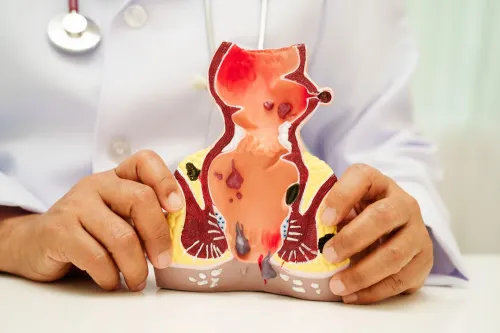
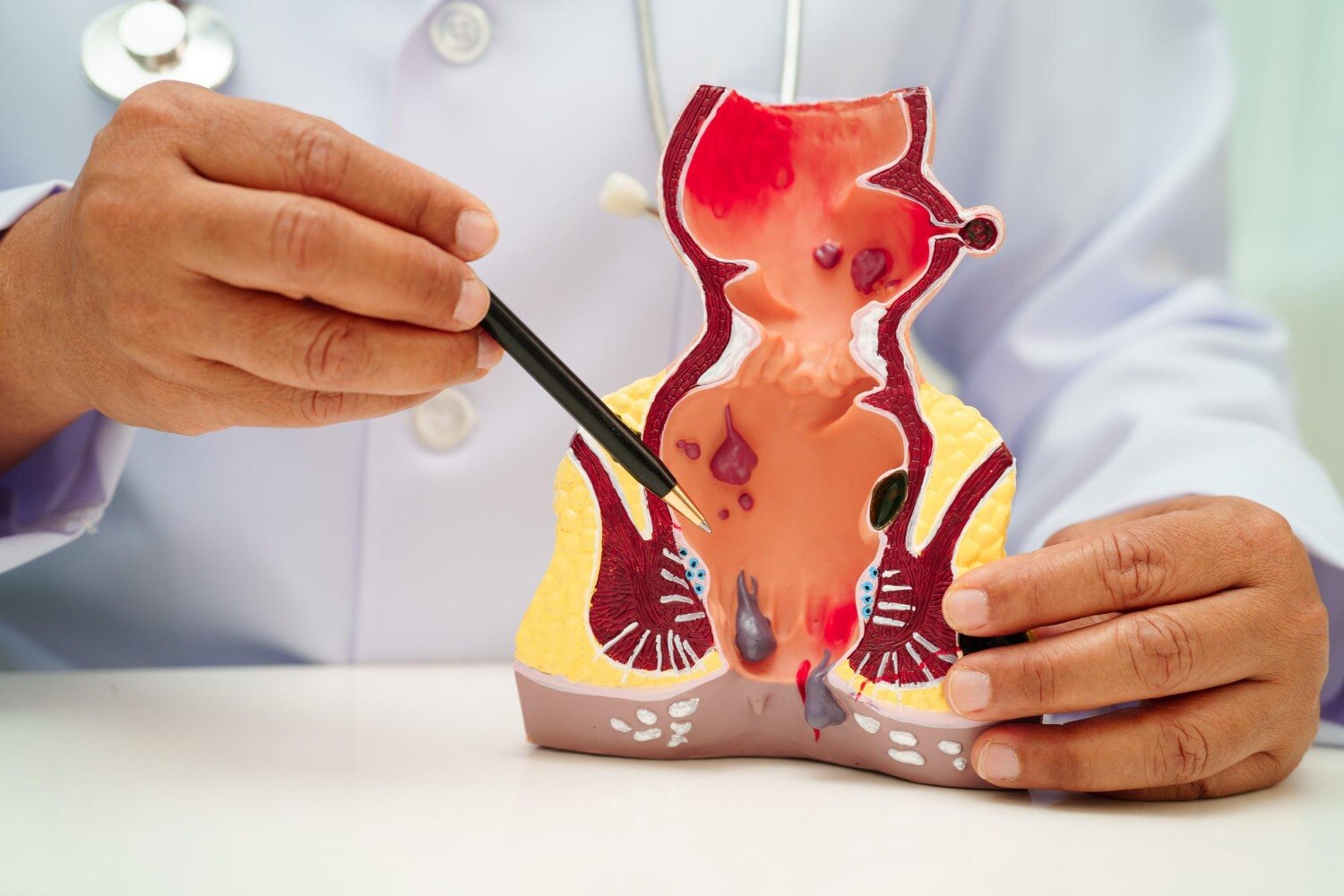
Laser is appropriate only when examination confirms a suitable internal hemorrhoid, not because bleeding or a lump is called “piles.” Internal hemorrhoids arise inside the anal canal and are graded by how far they prolapse.
| Condition | Typical finding | Treatment implication |
|---|---|---|
| Internal hemorrhoid | Bleeding or prolapse, graded by descent | Laser may suit selected cases |
| External hemorrhoid | Swelling under the skin | Laser is not automatically suitable |
| Thrombosed external hemorrhoid | Painful lump caused by a clot | May need time-sensitive conventional treatment |
| Anal fissure | Sharp tearing pain with bright blood | Requires fissure-focused treatment |
| Anal fistula | Persistent opening, discharge or recurrent abscess | Needs fistula assessment, not piles laser |
Inspection, a digital rectal examination and anoscopy are important parts of a laser hemorrhoid treatment consultation. Rubber-band ligation may fit suitable internal hemorrhoids, while large external components, mixed disease or significant prolapse may require conventional surgery or another approach.
Ask for colon evaluation when your age, family history, anaemia, bowel changes or bleeding pattern warrants it. Persistent, unexplained, dark or substantial bleeding must not be blamed on visible hemorrhoids alone; fissure, inflammatory bowel disease, polyps and colorectal cancer can also bleed.
Evidence for laser piles treatment in Nagpur includes less early pain and bleeding in selected patients, but recurrence and limited long-term comparisons still matter. Ask which grade and component is being treated, what happens if laser is unsuitable, and how the plan fits the bariatric operation.
How weight-loss diets and bowel changes affect piles healing
Weight loss may reduce abdominal pressure and improve movement over time, but it will not immediately correct a prolapsing hemorrhoid. Obesity, straining, prolonged toilet sitting and reduced mobility can worsen piles.
Preoperative dieting, small postoperative meals, dehydration, reduced fibre, iron or calcium tablets, opioid pain medicine and rapid diet-stage changes can cause constipation; frequent loose stools can irritate anal skin.
Protect bowel habits with this plan:
- Follow the bariatric team’s fluid allowance rather than forcing extra water, especially after surgery.
- Add fibre gradually only when your postoperative diet permits it. Restricted food volume or bowel anatomy can make standard fibre advice unsafe.
- Keep the phone outside the bathroom, avoid prolonged toilet sitting and do not strain. Aim for a soft, easy bowel movement, not forceful daily evacuation.
- Walk as soon as your surgical team clears you. Ask whether a stool softener or osmotic laxative such as polyethylene glycol suits your operation and medicines.
- Do not add fibre powder, stimulant laxatives, suppositories or enemas without bariatric-team approval.
- Record each protein supplement, including its product and timing. It can change stool consistency or displace fibre and fluids.
Diarrhoea also needs attention because repeated wiping and liquid stool aggravate piles. This practical piles care during weight loss treatment may allow stable, elective piles treatment to wait safely while bowel habits settle. Worsening bleeding, severe pain, vomiting or inability to keep fluids down requires prompt surgical advice.
What medication and recovery conflicts must be planned?
A written medication check must be completed before laser treatment. List every prescription, over-the-counter medicine and supplement, including:
- Anticoagulants: warfarin, apixaban or rivaroxaban
- Antiplatelet drugs: aspirin or clopidogrel
- Diabetes medicines, steroids and non-steroidal anti-inflammatory drugs
- Opioids and anti-obesity medicines
- Iron, calcium and bariatric multivitamins
Never stop warfarin, apixaban, rivaroxaban, aspirin or another blood thinner without instructions from the prescribing clinician. Tell the anaesthetist about recent vomiting, sleep apnoea, diabetes control, dehydration and every planned procedure.
| Recovery plan | Main restrictions | Coordination required |
|---|---|---|
| Bariatric recovery | Limited lifting, small food volumes and restricted fluid intake | Protect hydration and nutrition while adjusting medicines |
| Anorectal recovery | Bowel movements, cleaning, sitting comfort, walking and pain control | Prevent constipation without exceeding bariatric fluid or diet limits |
| Both procedures together | Overlapping wounds, reduced mobility and uncertain bowel habits | Agree on analgesia, stool treatment, activity and review dates |
Opioids after either operation can worsen constipation; dehydration makes correction harder. Schedule follow-ups with both teams so bleeding, infection, poor intake or nutritional deficiency is not dismissed as a routine recovery symptom.
One anaesthetic can reduce travel, but combining procedures is not automatically easier. Staging is often safer after recent bariatric surgery or when nutrition and hydration remain unstable.
How to build a coordinated plan for treatment in Nagpur
Book the bariatric review first when weight loss surgery is already scheduled. If bleeding, severe pain or prolapse is the immediate concern, book the laser hemorrhoid treatment consultation first. The responsible surgeon should then coordinate with the other team and the anaesthetist.
| Route | First review | Decision focus |
|---|---|---|
| Bariatric surgery scheduled | Bariatric surgeon | Whether piles care can wait during weight loss and recovery |
| Bleeding, severe pain or prolapse | Colorectal or proctology surgeon | Whether anorectal treatment must precede bariatric surgery |
| Both procedures proposed | Bariatric surgeon, proctology surgeon and anaesthetist | Whether staging is safer than combining procedures |
Ask both teams to record:
- Hemorrhoid grade and internal or external anatomy
- Bowel pattern, haemoglobin and nutritional status
- Current medicines, supplements and recent operations
- Anaesthesia concerns and the proposed interval between procedures
The written plan must name who approves fibre, fluids, stool softeners and laxatives, who manages blood-thinner changes, and which symptoms require an urgent call. Never stop warfarin, apixaban, rivaroxaban, aspirin or clopidogrel without the prescribing clinician’s instruction.
In Nagpur, Dr Hemant Chhajed Surgeon can provide one point for discussing general, laparoscopic and laser options, but a consultation cannot confirm that laser piles treatment with weight loss surgery and treatment in Nagpur is suitable without bariatric records and examination findings.
Seek urgent care for persistent vomiting, inability to keep fluids down, worsening abdominal pain, fever, black stools, substantial rectal bleeding, fainting or shortness of breath. The decision depends on diagnosis, nutrition, medicines and recovery demands—not laser availability alone.
Related services
Expertise ₹500 Laser treatment is an out-patient and less-invasive(कम आक्रामक) laparoscopic procedure. View service → |
LASER TREATMENT FOR HEMORROIDS Laser treatment for piles (hemorrhoids) ₹500 1) Consultation . 2) LASER TREATMENT FOR HEMORROIDS. 3) SCLEROTHERAPY FOR HEMORROIDS View service → |
Frequently asked questions
Which treatment should come first: piles care or bariatric surgery?
The more urgent problem comes first. Severe bleeding, thrombosis, infection, or an obstructed prolapse may require piles treatment before bariatric surgery. If symptoms are stable, the piles surgeon and bariatric team should set the sequence based on examination findings, anaesthesia risk, nutrition, and recovery demands.
Is laser treatment appropriate for the symptom you call piles?
Not every anal symptom is caused by hemorrhoids. A consultation must distinguish hemorrhoids from an anal fissure, abscess, fistula, rectal prolapse, or another condition before selecting laser hemorrhoid treatment. Laser treatment is not automatically suitable for every degree or type of hemorrhoid.
How do weight-loss diets and bowel changes affect piles healing?
Rapid diet changes can alter stool volume, consistency, and bowel frequency. Constipation and straining can delay healing, while diarrhoea can irritate treated tissue. Follow the bariatric diet stages, drink the permitted fluids, use prescribed fibre or stool-softening medicines, and avoid straining.
What medication and recovery conflicts must be planned?
Share every medicine and supplement with both teams, including aspirin, clopidogrel, anticoagulants, iron, anti-inflammatory painkillers, laxatives, and weight-loss medicines. The teams must coordinate stopping or restarting medicines, fasting instructions, hydration, pain control, wound care, and the timing of each recovery.
How can you build a coordinated plan for treatment in Nagpur?
Take your bariatric records, recent blood tests, medication list, diet-stage instructions, and details of bleeding or bowel symptoms to a laser piles treatment consultation. Ask the surgeons to document the order of procedures, warning signs, follow-up dates, and who manages constipation or diarrhoea during recovery.
Related services
Expertise ₹500 Piles, are a common condition that affects millions of people worldwide. View service → |
Expertise ₹500 also known as minimally invasive surgery, is a surgical technique that uses small incisions and specialized instruments to perform surgical... View service → |
Keywords