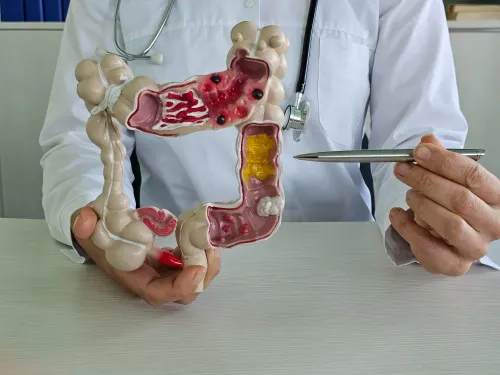
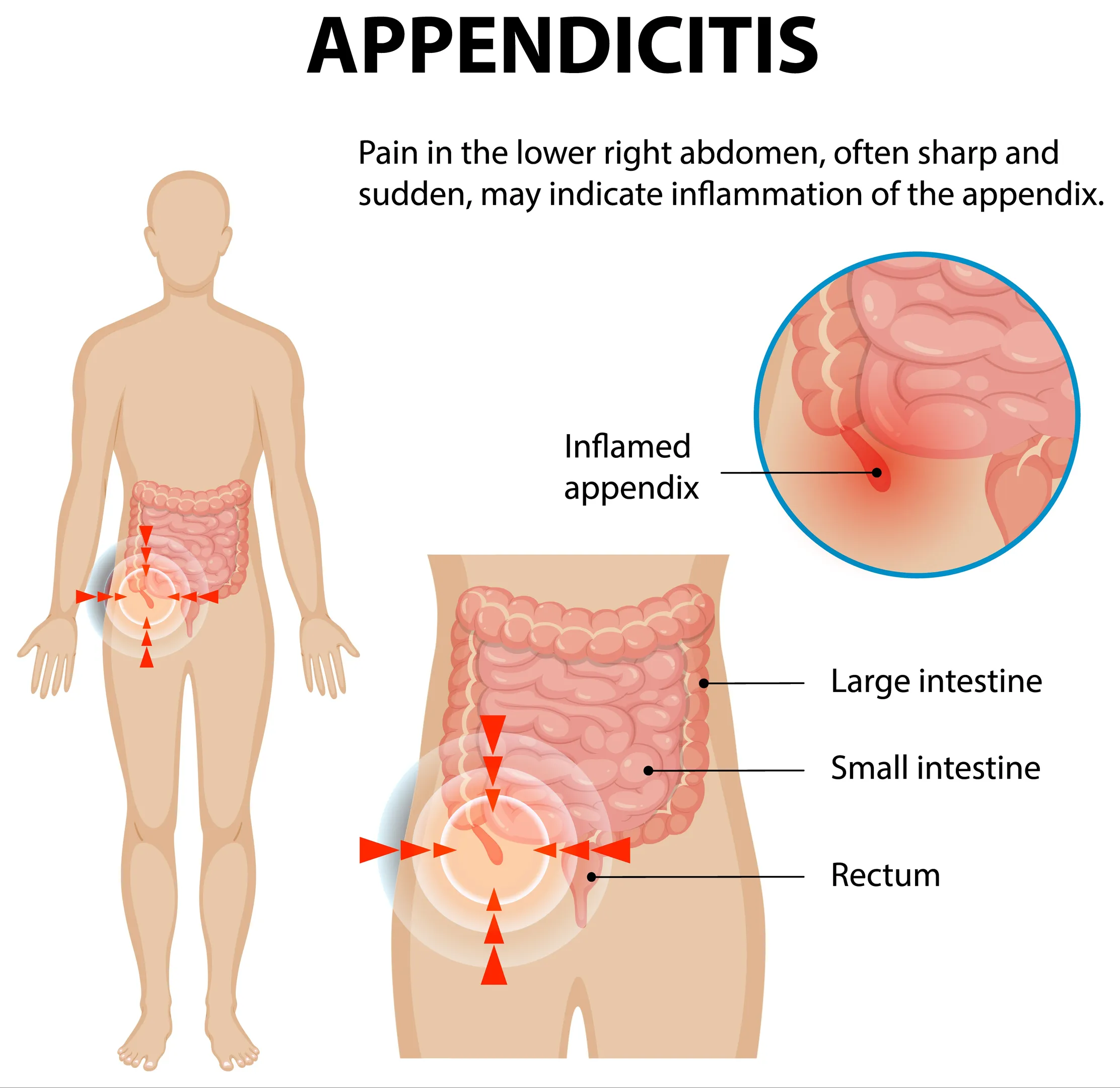
Appendicitis occurs when the appendix becomes inflamed or infected. It often causes pain that begins around the navel and later shifts to the lower-right side of the abdomen. Because an inflamed appendix can rupture, persistent or worsening symptoms need timely medical assessment.
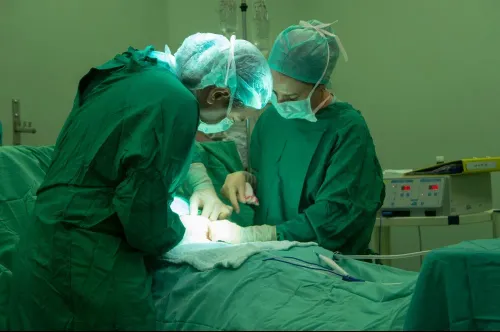
Dr Hemant Chhajed evaluates the symptoms alongside examination findings, blood tests and imaging results before recommending appendix surgery. An appendectomy removes the affected appendix and is a commonly performed treatment for acute appendicitis.
What Are the Warning Signs of Appendicitis?
Symptoms can vary, but common warning signs include:
- Increasing pain in the lower-right abdomen
- Pain that worsens while walking or coughing
- Loss of appetite
- Nausea or vomiting
- Fever
- Abdominal tenderness
- Constipation or diarrhoea
- Abdominal bloating
Not every patient develops the classic pattern. Children, older adults and pregnant women may experience pain in a different location or have less obvious symptoms.
How Is Appendicitis Confirmed?
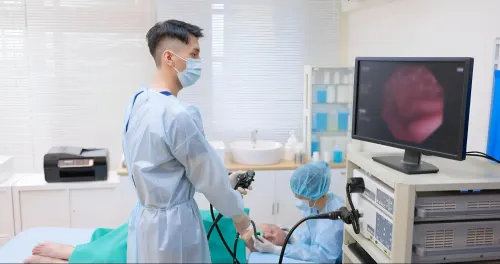
There is no single symptom that confirms appendicitis in every patient. Diagnosis may involve a physical examination, blood and urine tests, ultrasound or CT imaging.
These investigations help identify inflammation and exclude conditions that can produce similar pain, such as urinary stones, intestinal infection, gall bladder disease or gynaecological problems.
Is Appendix Surgery Always an Emergency?
Acute appendicitis often requires prompt treatment, but the exact timing depends on the clinical situation. Uncomplicated appendicitis may allow time for preparation and planned surgery. A ruptured appendix, widespread infection or abscess may require a modified treatment approach.
Delaying evaluation because the pain temporarily improves can be risky. Sudden relief may occasionally occur after perforation, followed by worsening illness as infection spreads within the abdomen.
Appendix Surgery Options in Nagpur
Patients undergoing appendix surgery in Nagpur, Maharashtra, may be treated through an open or laparoscopic appendectomy.
Open surgery uses an incision in the lower-right abdomen. Laparoscopic surgery uses several small incisions, a camera and specialised instruments. The choice may depend on the severity of infection, previous abdominal operations, available findings and the patient’s overall condition.
How Long Does Recovery Take?
Recovery varies according to whether the appendix was removed before or after rupture. Patients with uncomplicated appendicitis usually recover sooner than those who have an abscess, perforation or widespread infection.
Walking is generally encouraged after surgery, while strenuous exercise and heavy lifting remain restricted for a prescribed period.
What Can Be Eaten After an Appendectomy?
Patients commonly begin with liquids and gradually return to regular meals as tolerated. Light, easily digestible food may feel more comfortable initially. Adequate fluids and fibre can help prevent constipation, particularly when pain medicines are being taken.
Which Symptoms Need Attention After Surgery?
Medical review is important if a patient develops:
- Increasing abdominal pain
- Persistent vomiting
- Fever
- Redness or discharge from the wound
- Progressive abdominal swelling
- Difficulty passing stool or gas
- Shortness of breath
Can a Person Live Normally Without an Appendix?
Yes. The appendix is not essential for digestion, and its removal does not normally require lifelong dietary restrictions or replacement medicines.
Recognising symptoms early and receiving an accurate diagnosis can reduce the likelihood of complications. For assessment of persistent lower-right abdominal pain or guidance about appendectomy, consult Dr Hemant Chhajed.
Keywords