Laparoscopic surgery and upper GI endoscopy both use cameras, but they enter the body differently and serve different clinical purposes. By comparing their access points, findings, anaesthesia, preparation, risks and recovery, you can understand which questions each procedure can answer and what to ask before agreeing to one.
Key takeaways
- Laparoscopy enters through abdominal incisions; upper GI endoscopy passes through the mouth.
- Upper GI endoscopy examines and biopsies the upper digestive tract, while laparoscopy enables surgery.
- Both procedures require preparation, but laparoscopy usually involves general anaesthesia and longer recovery.
- Choose a specialist consultation when symptoms require treatment, not only visual inspection.
Where the camera goes—and what the surgeon or specialist can reach
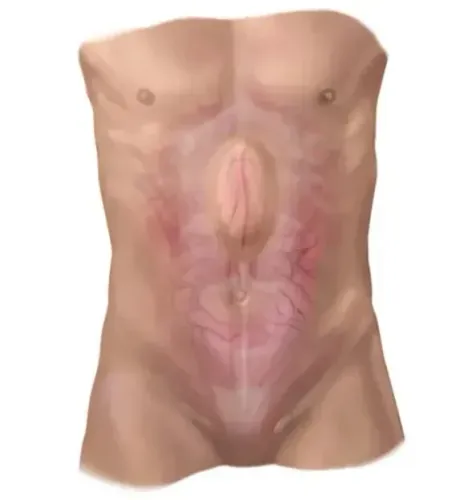
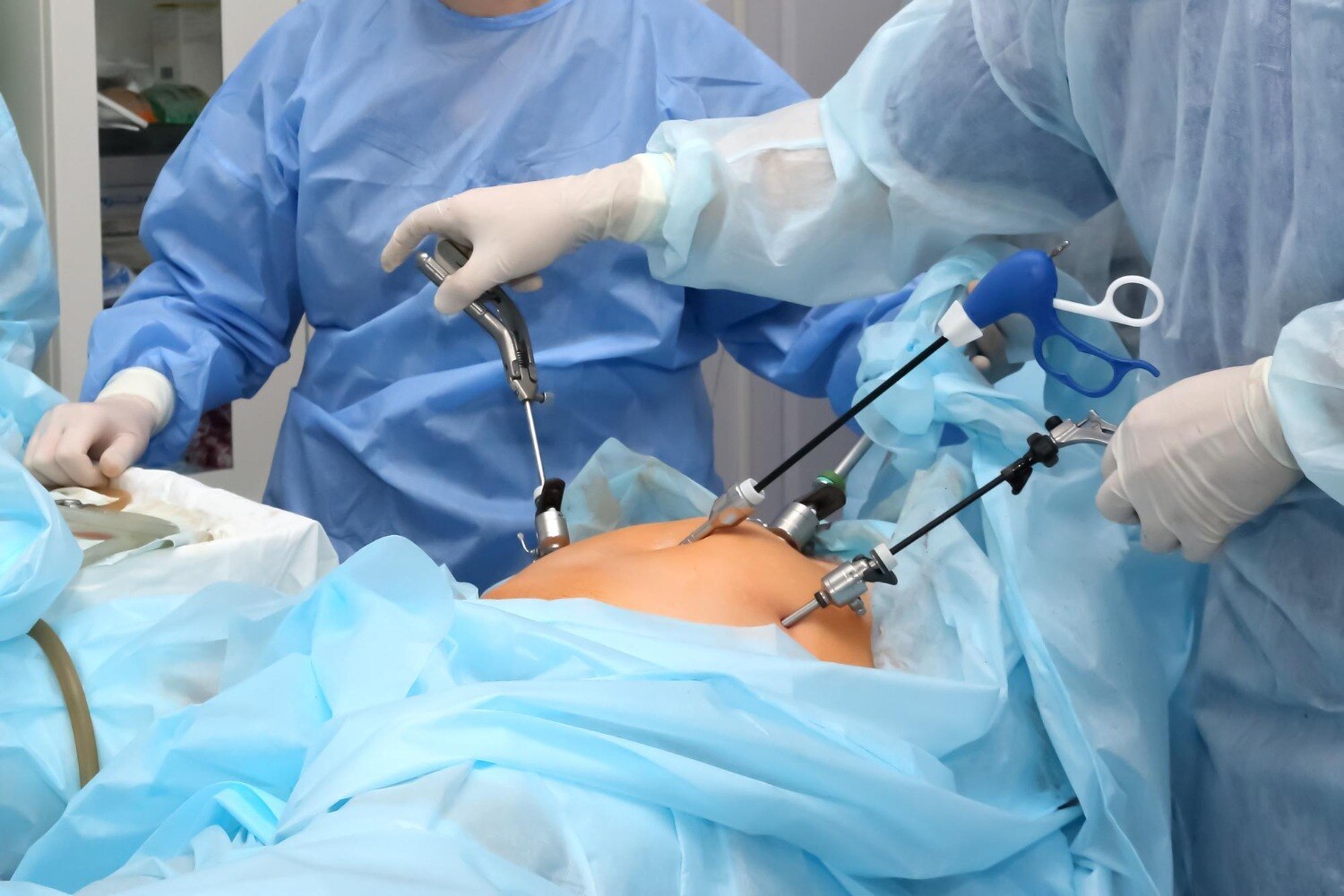
What is laparoscopic surgery? It is an operation performed through small incisions in the abdominal or pelvic wall. The surgeon passes a camera through one incision and long instruments through others, then watches a magnified view on a monitor while cutting, removing, repairing or reconstructing tissue.
Carbon dioxide usually inflates the abdomen to create working space.
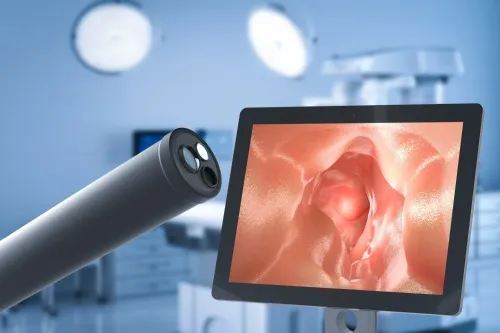
Upper GI endoscopy, also called gastroscopy or oesophagogastroduodenoscopy (EGD), follows a different route. A flexible camera passes through the mouth into the oesophagus, stomach and duodenum. It views the inner lining, not the outer surfaces of abdominal organs.
Laparoscopic surgery compared with upper GI endoscopy is therefore a comparison between entering the abdominal cavity and travelling inside the digestive tract.
| Route | What the camera reaches | What the specialist can do |
|---|---|---|
| Laparoscopic surgery | Abdominal or pelvic cavity, including organ surfaces | Operate on structures such as the gallbladder, appendix, hernia or bowel; remove, repair or reconstruct tissue |
| Upper GI endoscopy | Inner lining of the oesophagus, stomach and duodenum | Inspect, take biopsies, control selected bleeding, remove some polyps or foreign bodies, and widen strictures |
A normal upper GI endoscopy cannot exclude disease in the gallbladder, liver, pancreas, abdominal wall or deeper bowel layers. Those problems need a targeted test such as ultrasound, CT, MRI, endoscopic ultrasound or laparoscopy.
Diagnosis, biopsy and treatment: what each procedure can actually do
Laparoscopy is a surgical procedure: it enters the abdominal or pelvic cavity through small abdominal incisions, allowing the surgeon to inspect organs and operate on them. Upper GI endoscopy uses a flexible camera passed through the mouth to examine the oesophagus, stomach and duodenum from inside the digestive tract.
| Procedure | Diagnosis and biopsy | Possible treatment |
|---|---|---|
| Laparoscopy | Investigates unexplained abdominal or pelvic pain and allows tissue samples from organs, the peritoneum or abnormal growths. | Removes the gallbladder or appendix, repairs a hernia, treats some bowel disease, or performs colorectal resection and reconstruction. |
| Upper GI endoscopy | Detects ulcers, inflammation, bleeding sources, narrowing and visible lesions; a biopsy can be taken through the scope without an abdominal incision. | Stops selected bleeding, removes some polyps, retrieves foreign bodies, dilates strictures and removes certain early lesions. |
A biopsy does not mean you had surgery. It is a routine sampling step during upper GI endoscopy information gathering, while laparoscopic biopsy occurs during an operation and can lead to immediate removal or repair when consent covers that possibility.
A normal endoscopy does not exclude disease in the gallbladder, liver, pancreas, abdominal wall, peritoneum or deeper bowel layers. Those problems may require ultrasound, CT, MRI, endoscopic ultrasound or laparoscopy. Choose the procedure for the clinical question, not because one technique seems more advanced.
Anaesthesia, preparation and the day of the procedure
Fasting is essential for both procedures, but the anaesthetic experience is different. Upper GI endoscopy information will usually include no food for six hours and clear liquids stopping about two hours beforehand; arrange an escort if sedation is planned.
Laparoscopic surgery compared with upper GI endoscopy involves a formal operation assessment, medication review, consent, blood tests when indicated, and instructions about fasting, bathing and blood-thinning medicines.
1. Tell the team about pregnancy, allergies, diabetes, sleep apnoea, previous anaesthetic problems and every medicine or supplement you take. Do not stop aspirin, clopidogrel or anticoagulants unless the treating clinician gives you a plan.
| Phase | Upper GI endoscopy | Laparoscopic surgery |
|---|---|---|
| Before | A nurse checks your consent and vital signs. You may receive throat spray, intravenous sedation or, for selected procedures, general anaesthesia. | You change into theatre clothing and receive general anaesthesia for most abdominal operations. A breathing tube supports ventilation while you are unconscious. |
| During | You lie on your side while a flexible camera passes through your mouth. Biopsies or selected treatments add little or no recovery time. | The surgeon makes small abdominal incisions, fills the abdomen with carbon dioxide and uses instruments through ports. An operation can take much longer than an endoscopy. |
| Immediately after | Expect monitoring until alert, a sore throat or bloating, and no driving for 24 hours after sedation. | Expect recovery-room monitoring, incision pain, nausea or shoulder-tip discomfort, and either same-day discharge or hospital admission. |
Seek urgent assessment after either procedure for severe pain, breathing difficulty, fever, vomiting blood or black stools.
Recovery, risks and why a smaller incision does not mean a minor operation
The practical answer to “what is laparoscopic surgery” is an operation, not merely a camera test. Small abdominal ports reduce wound size, but removing an organ or joining bowel remains major surgery. Upper GI endoscopy uses no abdominal incision, so recovery is usually shorter, especially when it involves inspection or biopsy alone.
| Procedure | Recovery | Important risks and seriousness |
|---|---|---|
| Laparoscopic surgery | Pain, fatigue and restricted activity can last days to weeks; admission depends on the operation. | Bleeding, infection, blood clots, anaesthetic problems, and injury to bowel, bladder or blood vessels. The surgeon may need to convert to open surgery. |
| Upper GI endoscopy | Throat soreness and sedation-related drowsiness usually settle quickly; therapeutic procedures take longer to recover from. | Bleeding is more relevant after treatment, and perforation is uncommon but serious. Biopsy alone does not mean you had surgery. |
A smaller incision does not remove the internal risks of laparoscopy. Ask how long you should avoid lifting, driving and work, and when follow-up is required. After either procedure, seek urgent medical assessment for severe or worsening abdominal or chest pain, fever, repeated vomiting, vomiting blood, black stools, breathing trouble or fainting.
Endoscopy can still become serious when it removes a lesion, dilates a narrowing or treats bleeding; laparoscopy carries the larger recovery burden when it involves reconstruction or organ removal.
Choosing the right consultation and operation in Nagpur
Before agreeing to an operation, ask the surgeon to name the suspected diagnosis and the exact procedure proposed. A useful laparoscopy consultation in Nagpur should explain why surgery is preferable to medicines, observation, imaging, upper GI endoscopy or open surgery.
Ask these questions:
- What finding makes surgery necessary, and what happens if I wait?
- What will you remove, repair or reconstruct?
- What is the chance of converting to open surgery, and what would cause that decision?
- Which anaesthetic will I receive, how long will I stay, and when can I return to work?
- What are the specific risks for this operation, including bleeding, infection, organ injury, clots and anastomotic problems?
- How many times have you performed this named operation, not just laparoscopy in general?
- What recurrence rate and long-term evidence support the proposed technique?
Laparoscopic surgery compared with upper GI endoscopy depends on the clinical question, not on which sounds more advanced.
| Option | What it does | Ask when it applies |
|---|---|---|
| Upper GI endoscopy | Inspects the oesophagus, stomach and duodenum; takes biopsies or treats selected lesions | Suspected ulcer, bleeding, narrowing or an upper-digestive diagnosis |
| Laparoscopic operation | Enters the abdominal cavity to remove, repair or reconstruct tissue | Gallbladder disease, appendicitis, hernia or a condition needing surgery |
| Open operation | Uses a larger abdominal incision | Laparoscopy is unsafe, unsuitable or must be abandoned |
For any consultation with Dr Hemant Chhajed Surgeon, verify the surgeon’s registration through the National Medical Commission’s Indian Medical Register search.
Related service
Expertise ₹500 also known as minimally invasive surgery, is a surgical technique that uses small incisions and specialized instruments to perform surgical... View service → |
Frequently asked questions
What is laparoscopic surgery?
Laparoscopic surgery is an operation through small abdominal or pelvic incisions. A camera provides a magnified view while instruments cut, remove, repair or reconstruct tissue.
How does laparoscopic surgery compare with upper GI endoscopy?
Laparoscopic surgery enters through the abdominal wall, while upper GI endoscopy passes through the mouth to examine the oesophagus, stomach and duodenum.
Can upper GI endoscopy remove tissue or treat disease?
Upper GI endoscopy can take biopsies and perform selected treatments inside the upper digestive tract. It cannot replace operations that require abdominal access or tissue removal from outside the digestive tract.
Does laparoscopic surgery require general anaesthesia?
Laparoscopic operations usually require general anaesthesia, preoperative assessment and recovery monitoring. Upper GI endoscopy uses sedation or anaesthesia according to the procedure and patient factors.
When should you seek a laparoscopy consultation in Nagpur?
Seek a surgical consultation when imaging, symptoms or a confirmed diagnosis may require abdominal treatment rather than inspection alone. The surgeon can compare laparoscopy with endoscopy and other options.
Keywords