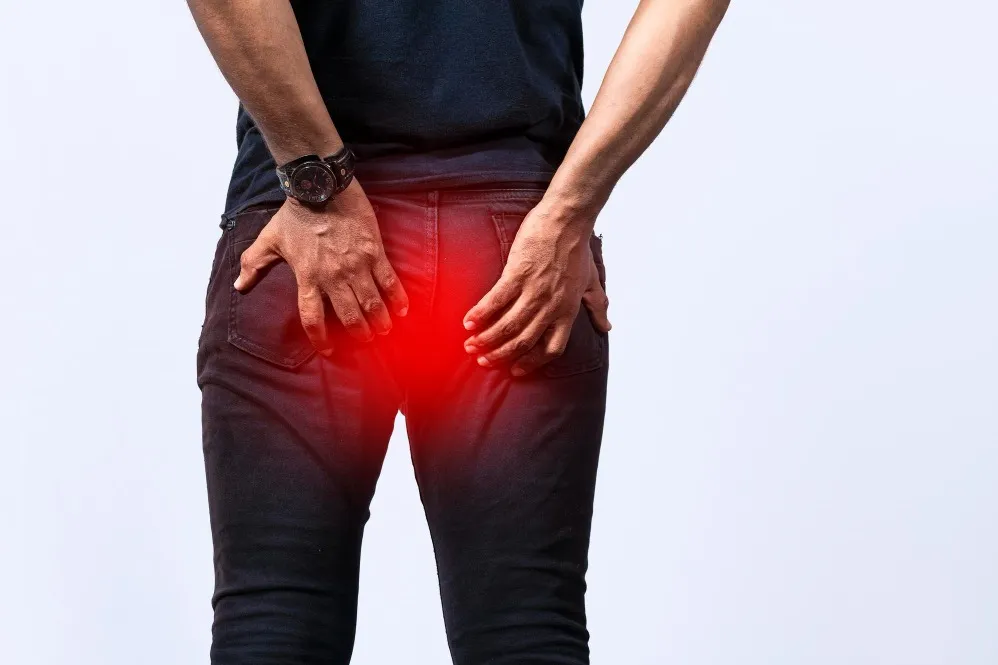
Piles can cause bleeding, itching, swelling and discomfort during bowel movements. While mild cases often improve with dietary changes and medicines, persistent or advanced piles may require a procedure. Laser treatment for piles is one of the minimally invasive options considered when symptoms repeatedly interfere with daily life.
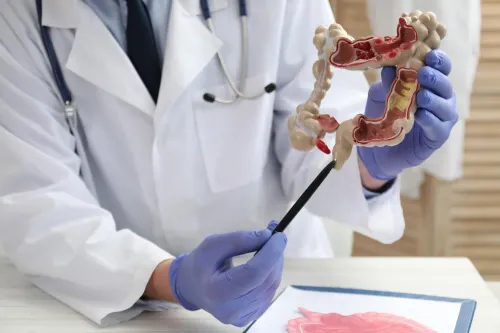
Dr Hemant Chhajed evaluates the type and severity of piles before recommending any procedure. This assessment matters because rectal bleeding is not always caused by piles, and treatment should begin only after the condition has been properly diagnosed.
What Are Piles?
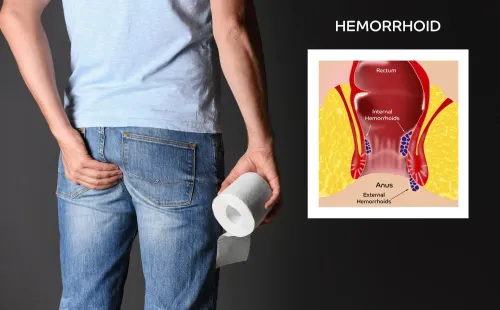
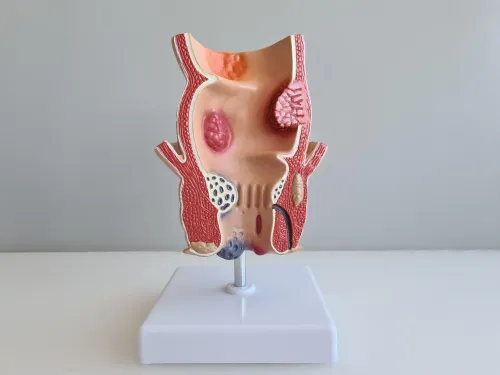
Piles, also known as haemorrhoids, are swollen blood vessels in or around the anus and lower rectum. They may be internal, external or a combination of both.
Common symptoms include:
- Bright red bleeding after passing stool
- Pain or burning during bowel movements
- Itching around the anus
- A lump or swelling near the anal opening
- Mucus discharge
- A feeling of incomplete evacuation
- Tissue that comes out during bowel movements
Constipation, prolonged straining, pregnancy, obesity, heavy lifting and spending too much time on the toilet can contribute to the problem.
How Laser Treatment for Piles Works
Laser treatment uses focused energy to target haemorrhoidal tissue. Depending on the technique and clinical findings, the laser may be used to reduce blood supply to the swollen tissue or shrink it from within.
The procedure is generally performed under anaesthesia. Because the treatment is directed at the affected tissue, nearby structures can often be preserved. The exact approach varies according to whether the piles are internal, prolapsing, bleeding or accompanied by another condition such as a fissure or fistula.
Laser treatment is not automatically suitable for every patient. The grade of piles, previous treatment, associated symptoms and overall health all influence the decision.
Piles Treatment Considerations in Nagpur
Patients seeking piles treatment in Nagpur, Maharashtra, may sometimes delay consultation because they feel embarrassed or expect the problem to settle on its own. Occasional discomfort may improve with conservative care, but repeated bleeding, prolapse or persistent pain deserves medical evaluation.
An examination may include a discussion of bowel habits, a physical assessment and, when required, an anoscopy or another investigation. These steps help distinguish piles from other causes of bleeding.
What to Expect After the Procedure
Recovery varies from person to person. Some patients return to light activities within a relatively short period, while others need additional rest depending on the extent of treatment and the nature of their work.
Post-procedure guidance may include:
- Eating fibre-rich foods
- Drinking adequate water
- Avoiding straining
- Taking prescribed medicines correctly
- Maintaining local hygiene
- Limiting heavy lifting temporarily
- Attending the scheduled follow-up
A small amount of discomfort or spotting may occur during recovery. Severe pain, heavy bleeding, fever, difficulty passing urine or worsening swelling should be reported promptly.
Can Piles Return After Laser Treatment?
No procedure can compensate for ongoing constipation and repeated straining. Recurrence risk may be reduced by improving bowel habits, remaining physically active and responding promptly to persistent constipation.
Laser treatment for piles can be useful for selected patients, but the best results begin with an accurate diagnosis. Understanding the grade of the condition, available alternatives and expected recovery allows patients to make a more informed treatment decision.
Keywords