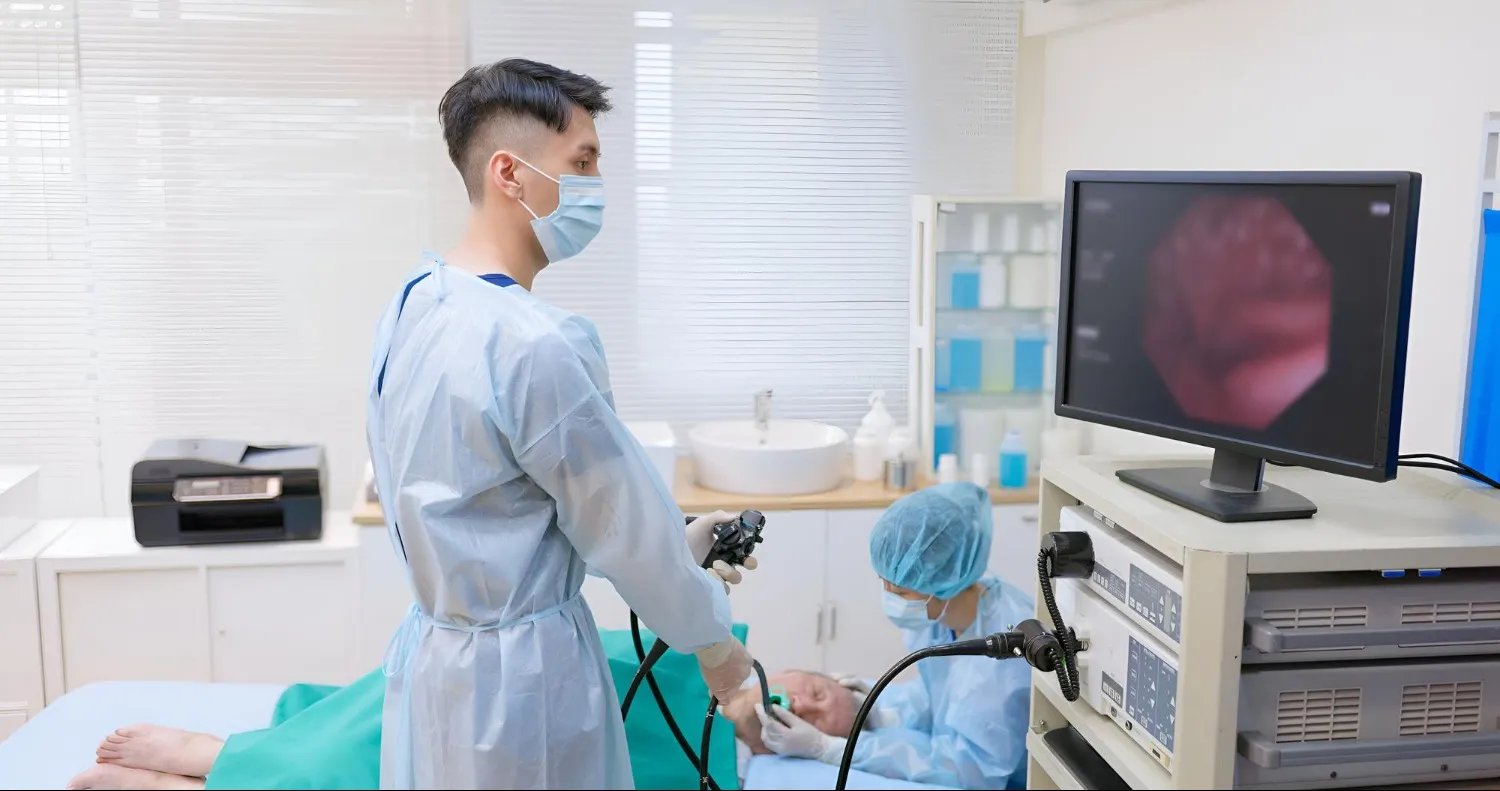
Persistent acidity, upper abdominal discomfort, difficulty swallowing, unexplained vomiting, or signs of gastrointestinal bleeding may sometimes require more than medication alone. An upper GI endoscopy allows the upper digestive tract to be examined directly and can provide information that imaging or symptoms alone may not reveal.
Patients requiring upper GI endoscopy in Nagpur may consult Dr Hemant Chhajed Surgeon for evaluation of gastrointestinal symptoms and guidance on whether endoscopy is appropriate for their clinical situation.
During an upper gastrointestinal endoscopy, a thin flexible instrument with a camera is passed through the mouth to examine the oesophagus, stomach, and first part of the small intestine. The procedure is also called an upper gastrointestinal endoscopy or gastroscopy.
Doctors may recommend it when investigating:
- Persistent or recurrent upper abdominal pain
- Difficulty or pain while swallowing
- Recurrent vomiting
- Gastrointestinal bleeding
- Unexplained anaemia in appropriate clinical settings
- Persistent digestive symptoms requiring further assessment
- Suspected ulcers or inflammation
One advantage of endoscopy is that the doctor can directly view the lining of the upper digestive tract. If necessary, small tissue samples called biopsies can also be collected for laboratory examination.
Preparation generally involves fasting for a specified period before the procedure. Patients should provide complete information about medications, particularly blood-thinning medicines, diabetes medicines, allergies, and existing health conditions.
Depending on the circumstances, throat anaesthesia and/or sedation may be used. Patients receiving sedation may need someone to accompany them home and should follow the facility's instructions regarding driving and other activities afterward.
Endoscopy findings may include inflammation of the oesophagus, gastritis, ulcers, narrowing, growths, or other abnormalities. However, a normal endoscopy can also be clinically useful because it may help guide further investigation of persistent symptoms.
People frequently undergo repeated courses of over-the-counter acidity medicines without establishing why symptoms continue. Occasional heartburn does not automatically require endoscopy, but persistent symptoms, swallowing difficulty, bleeding, unexplained weight loss, or other concerning features deserve proper assessment.
For patients in Nagpur, Maharashtra, the decision to perform an upper GI endoscopy should be based on symptoms, age, medical history, examination, and clinical indications.
Dr Hemant Chhajed Surgeon can assess gastrointestinal complaints and explain what the procedure involves, how to prepare, and how the findings may influence further treatment. Understanding the purpose of endoscopy beforehand helps patients approach the investigation with clearer expectations.
Keywords