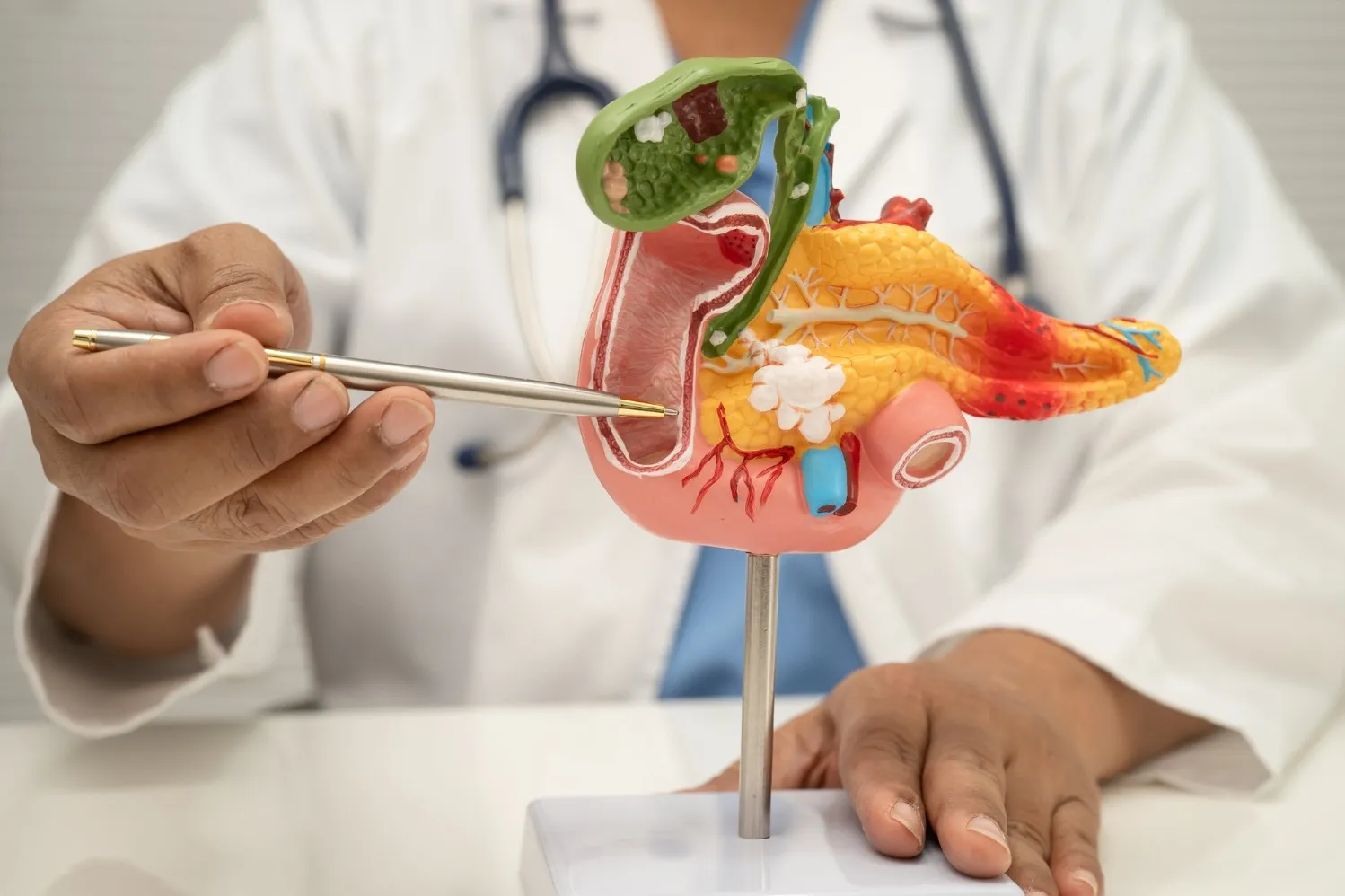
Gallstones are common, but their presence does not automatically mean the gallbladder needs to be removed. Some people have gallstones without experiencing symptoms, while others develop repeated episodes of pain, inflammation, nausea, or complications involving the bile ducts or pancreas.
For patients considering gallbladder removal in Nagpur, Dr Hemant Chhajed Surgeon can review symptoms, ultrasound findings, medical history, and relevant investigations before discussing whether surgery is indicated.
Gallbladder removal is medically known as cholecystectomy. It is frequently considered when gallstones cause recurring symptoms or complications.
Typical gallstone-related pain is often felt in the upper right or upper central abdomen and may occur after meals. It can sometimes spread toward the back or right shoulder. Nausea or vomiting may accompany an episode.
Situations that may prompt surgical evaluation include:
- Repeated gallstone-related abdominal pain
- Acute inflammation of the gallbladder
- Gallstones associated with complications
- Certain gallbladder abnormalities identified on imaging
- Symptoms significantly affecting eating or daily activities
An ultrasound is commonly used to identify gallstones and evaluate the gallbladder. Blood tests and additional imaging may be required when inflammation, bile duct obstruction, or another complication is suspected.
For many suitable patients, gallbladder removal can be performed laparoscopically through small abdominal incisions. Open surgery may still be required in selected circumstances based on inflammation, anatomy, previous operations, or intraoperative findings.
A common question is whether a person can live normally without a gallbladder. The gallbladder stores bile produced by the liver; it does not produce the bile itself. After removal, bile continues to flow from the liver into the intestine. Some patients may experience temporary digestive changes, particularly with fatty foods, during recovery.
Patients should understand that not every episode of upper abdominal discomfort is caused by gallstones. Acid-related disorders, liver conditions, pancreatic disease, and other gastrointestinal problems can produce overlapping symptoms. Establishing whether the gallstones actually explain the symptoms is therefore important.
People in Nagpur and surrounding Maharashtra communities considering surgery should discuss the reason for cholecystectomy, surgical method, anaesthesia, possible complications, diet after surgery, activity restrictions, and expected follow-up.
A consultation with Dr Hemant Chhajed Surgeon can help determine whether gallbladder removal is appropriate based on symptoms and clinical findings rather than the ultrasound report alone.
Keywords