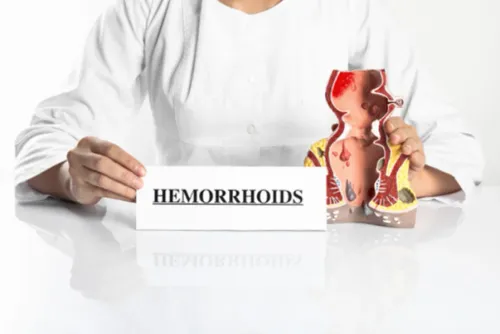
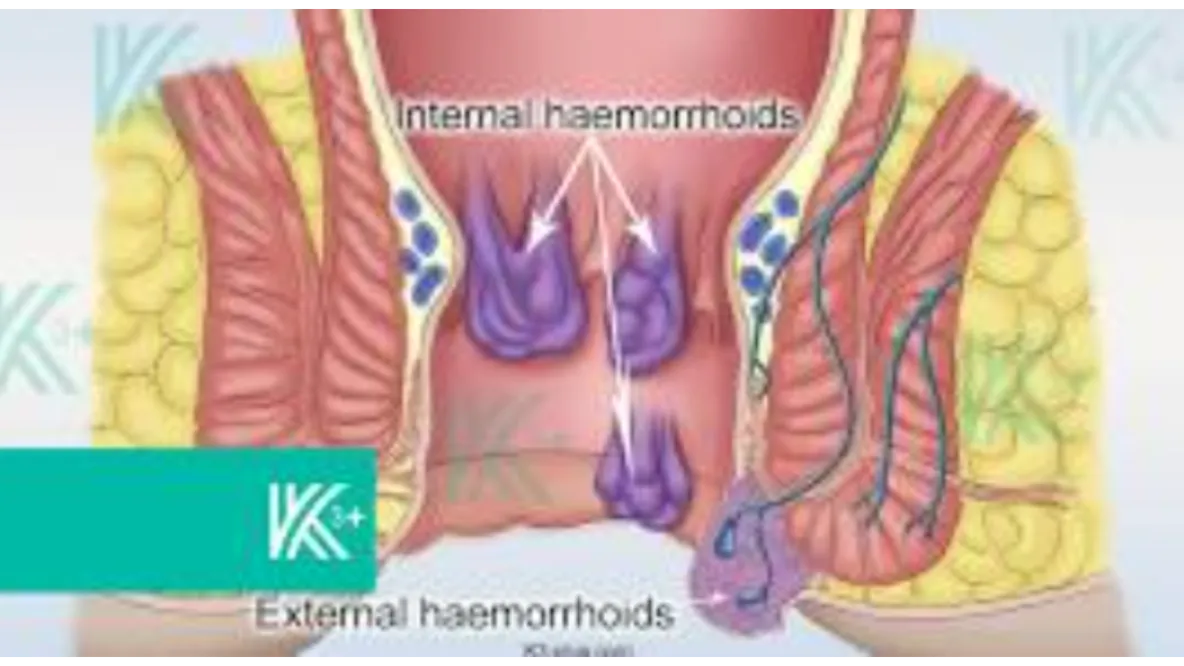
Piles, also known as hemorrhoids, are swollen blood vessels in or around the anal canal. They may cause bleeding during bowel movements, itching, discomfort, swelling, or a feeling of incomplete evacuation. While mild cases can often be managed with dietary changes, medicines, and better bowel habits, persistent or advanced piles may require a procedure.
For patients exploring laser treatment for piles in Nagpur, Dr Hemant Chhajed Surgeon can assess the type and severity of hemorrhoids and determine whether a procedural approach is appropriate. The decision is generally based on symptoms, examination findings, previous treatment, and the presence of associated conditions such as fissures or thrombosed hemorrhoids.
Laser-based procedures use controlled energy during treatment of selected hemorrhoidal disease. Depending on the technique and individual case, the aim may be to reduce the hemorrhoidal tissue or address its blood supply. It is important to understand that not every patient with piles automatically needs laser treatment.
Common situations in which procedural treatment may be discussed include:
- Repeated bleeding despite conservative treatment
- Prolapse during or after bowel movements
- Persistent discomfort affecting daily activities
- Recurrent episodes despite medicines and lifestyle changes
- Advanced hemorrhoids identified during clinical examination
Before deciding on treatment, a surgeon may ask about bowel habits, constipation, bleeding pattern, medications, and previous episodes. Examination helps distinguish piles from other conditions that can produce similar symptoms.
People sometimes assume that rectal bleeding is always caused by hemorrhoids. That can be misleading. Anal fissures, polyps, inflammatory conditions, and other gastrointestinal problems can also cause bleeding. Persistent or unexplained bleeding therefore deserves proper evaluation rather than self-treatment.
Lifestyle measures remain important even when a procedure is planned. Increasing dietary fibre, drinking adequate fluids, avoiding prolonged straining, staying physically active, and responding promptly to the urge to pass stools can help reduce constipation-related pressure.
Patients in Nagpur and other parts of Maharashtra considering treatment should also ask practical questions before proceeding. These may include the proposed procedure, type of anaesthesia, expected recovery period, dietary instructions, possible complications, and follow-up requirements.
Laser treatment is one option within the broader management of hemorrhoids rather than a universal solution for every case. The appropriate approach depends on the grade of piles, symptoms, general health, and clinical findings. A surgical consultation with Dr Hemant Chhajed Surgeon in Nagpur can help patients understand whether conservative care, a laser-based procedure, or another surgical method is more suitable for their particular condition.
Keywords