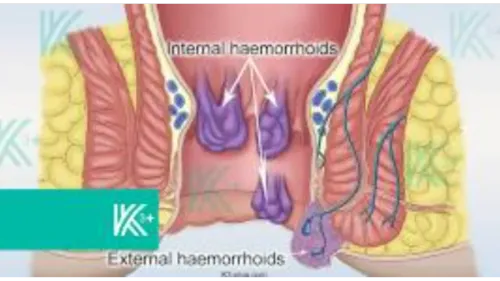
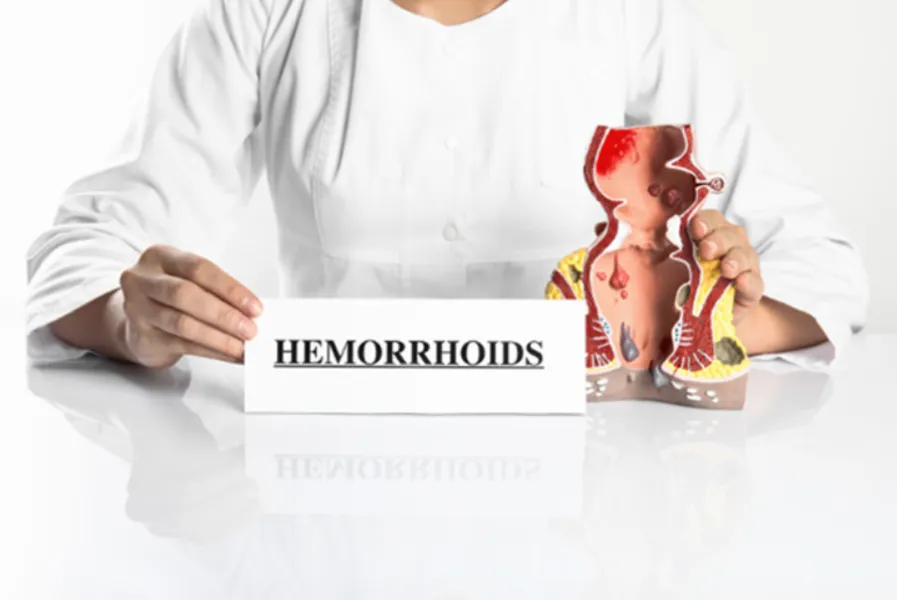
Hemorrhoids can range from mildly uncomfortable swelling to advanced prolapsing piles that interfere with bowel movements and everyday activities. Many early cases respond to fibre-rich food, adequate hydration, medicines, and changes in toilet habits. Surgery is generally considered when symptoms remain troublesome or the condition has progressed.
For people evaluating hemorrhoid surgery in Nagpur, Dr Hemant Chhajed Surgeon provides surgical assessment based on symptoms, hemorrhoid grade, examination findings, previous treatment, and overall health.
One of the most important distinctions is between conservative management and procedural treatment. Early hemorrhoids without significant prolapse may not require surgery. In contrast, recurrent bleeding, persistent prolapse, repeated thrombosis, or symptoms that continue despite appropriate non-surgical treatment may lead to discussion about procedural options.
A surgical evaluation commonly considers:
- Severity of bleeding: Frequent bleeding may require further assessment, particularly when its source has not been confirmed.
- Degree of prolapse: Hemorrhoids that repeatedly protrude outside the anal canal may require different management from internal hemorrhoids that do not prolapse.
- Response to treatment: Persistent symptoms despite appropriate conservative measures can influence the treatment plan.
- Associated conditions: Anal fissures, fistulas, constipation, or other anorectal problems can affect symptoms and management.
- General medical condition: Existing illnesses and medications may influence procedural planning.
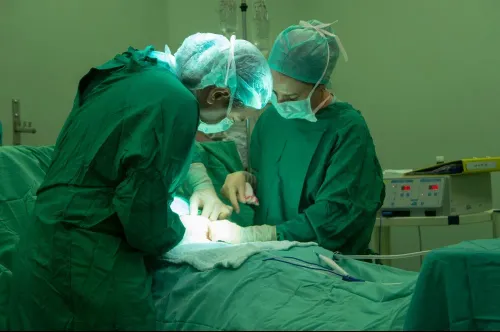
Different surgical and minimally invasive approaches are available for hemorrhoidal disease. The choice depends on clinical findings rather than simply selecting a procedure based on its name.
Patients should also discuss recovery before surgery. Questions about anaesthesia, postoperative discomfort, bowel movements, diet, activity restrictions, wound care, medicines, and follow-up can make the recovery period easier to understand.
Another important point is that hemorrhoid surgery does not remove the need for healthy bowel habits. Chronic constipation and repeated straining can continue to place pressure on the anal region. Fibre, fluids, regular activity, and avoiding prolonged sitting on the toilet remain useful parts of long-term care.
In Nagpur, Maharashtra, patients experiencing persistent rectal bleeding or prolapse should avoid assuming that piles are always responsible. Evaluation can help confirm the diagnosis and exclude other possible causes.
The purpose of hemorrhoid surgery is to address clinically significant disease when conservative treatment is insufficient or inappropriate. An assessment with Dr Hemant Chhajed Surgeon can clarify the severity of the condition and help determine which treatment approach is medically suitable.
Keywords