An incisional hernia can develop at or near the scar of a previous abdominal operation. It occurs when the muscles and tissues beneath the surgical incision weaken, allowing fat or part of the intestine to push outward. The result is often a visible bulge that becomes more noticeable while standing, coughing, lifting or straining.
Dr Hemant Chhajed evaluates the size of the hernia, previous surgical history and condition of the abdominal wall before recommending incisional hernia surgery. Small, symptom-free hernias may sometimes be monitored, but painful or enlarging hernias often require planned repair.
Why Does an Incisional Hernia Develop?
A healed surgical scar does not always regain the full strength of the original abdominal wall. Several factors can place additional pressure on the weakened area, including:
- Infection after the earlier operation
- Obesity or significant weight gain
- Poorly controlled diabetes
- Persistent coughing
- Chronic constipation
- Heavy lifting too soon after surgery
- Poor nutrition
- Smoking
- Multiple abdominal operations
- Delayed wound healing
An incisional hernia may appear within months of surgery or several years later. It should not be dismissed simply because the original operation occurred long ago.
When Is Surgery Usually Considered?
A surgeon may recommend repair when the hernia causes discomfort, restricts physical activity or continues to increase in size. Surgery may also be considered when the bulge becomes difficult to push back or there is concern that bowel could become trapped.
Warning signs requiring urgent medical attention include sudden severe pain, vomiting, abdominal swelling, fever or a hernia that becomes firm and cannot be reduced. These symptoms may indicate obstruction or strangulation.
Open and Laparoscopic Repair in Nagpur
Patients considering incisional hernia surgery in Nagpur, Maharashtra, may be offered an open or laparoscopic approach depending on the location and complexity of the defect.
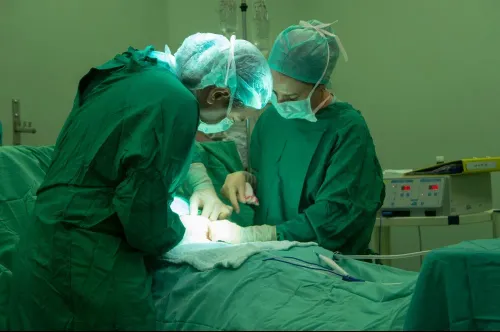
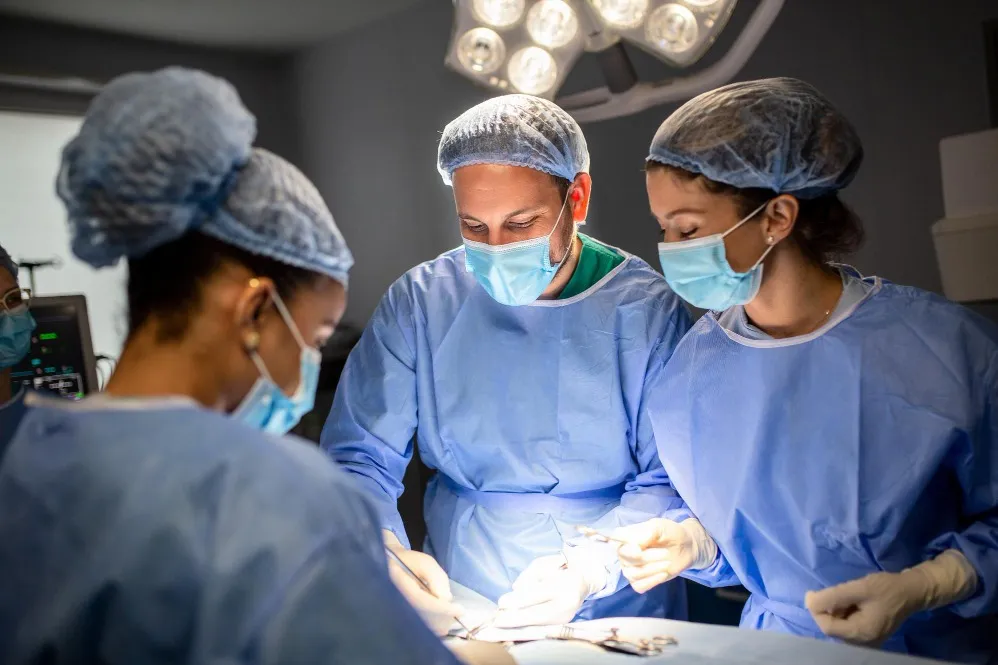
In open repair, the surgeon reaches the hernia through an incision over or near the affected area. Laparoscopic repair uses small incisions, a camera and specialised instruments to examine and repair the abdominal wall from inside.
Neither method is automatically best for everyone. The decision may depend on:
- Size and number of defects
- Position of the previous scar
- Earlier mesh placement
- Abdominal adhesions
- Previous infections
- General health
- Surgeon’s clinical assessment
Mesh is commonly used to reinforce the weakened abdominal wall and reduce tension on the repair. Its size, position and suitability are determined individually.
Preparing for Better Recovery
Before surgery, patients may be advised to manage diabetes, stop smoking, improve nutrition or reduce weight. These measures can support wound healing and lower the chance of complications.
Recovery time depends on the size of the repair and the surgical method used. Walking is usually encouraged, but lifting restrictions must be followed carefully. Patients should also prevent constipation and support the abdomen when coughing.
Redness, persistent discharge, fever, worsening pain or a newly developing swelling should be reported during recovery.
Incisional hernia surgery aims to restore strength to an area already affected by a previous operation. Careful planning is especially important because every scar and abdominal wall defect is different.
For an assessment of an abdominal bulge near a previous surgical scar, schedule a consultation with Dr Hemant Chhajed.
Keywords