An appendicectomy is the surgical removal of the appendix and is commonly performed when acute appendicitis is diagnosed. Patients and families often have practical questions about how the operation is performed, how long recovery takes, and what activities should be avoided afterward.
For those preparing for an appendicectomy in Nagpur, Dr Hemant Chhajed Surgeon can explain the planned surgical approach according to the patient's diagnosis, imaging findings, overall health, and whether complications such as perforation or abscess are present.
Before surgery, the medical team generally evaluates symptoms and examination findings alongside blood tests and, where indicated, imaging. Patients are usually instructed not to eat or drink for a specified period before anaesthesia.
Appendicectomy can be performed through:
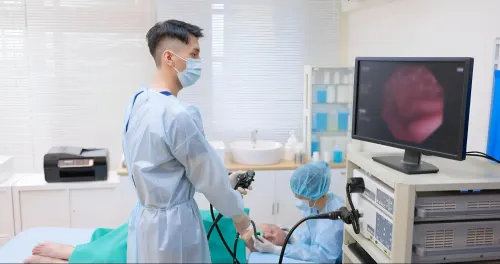
Laparoscopic surgery: Small abdominal incisions are used to introduce a camera and surgical instruments.
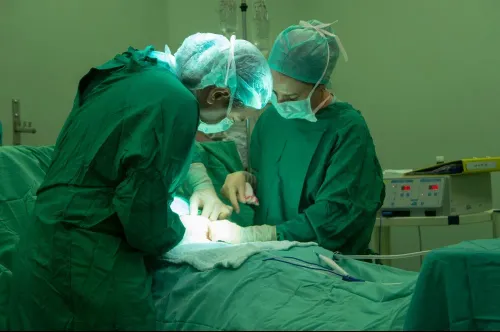
Open surgery: The appendix is removed through an abdominal incision. This approach may be selected depending on the clinical circumstances.
Neither method should be viewed in isolation from the patient's condition. Severe infection, previous abdominal operations, anatomy, or findings during surgery can influence the final approach.
After an uncomplicated procedure, patients are generally encouraged to start moving as advised. Food and fluids are gradually resumed depending on recovery and bowel function.
Before discharge, it is useful to understand:
- How to care for surgical wounds
- When bathing is permitted
- Which medicines should be taken
- When normal meals can be resumed
- How much walking and activity is appropriate
- When work, exercise, or driving may be resumed
- When follow-up is required
Recovery can be different when the appendix has perforated or infection has spread within the abdomen. Such patients may require additional monitoring, antibiotics, drainage procedures, or a longer hospital stay.
Postoperative warning signs should also be clearly understood. Increasing abdominal pain, persistent fever, repeated vomiting, wound redness or discharge, progressive abdominal swelling, or significant deterioration should be assessed.
A common concern is whether removal of the appendix causes long-term digestive problems. The appendix is not required for normal digestion, and most people return to their usual diet and activities after recovery.
For patients across Nagpur and nearby parts of Maharashtra, planning for appendicectomy involves both the operation and safe postoperative recovery. Dr Hemant Chhajed Surgeon can provide surgical assessment and explain what patients can reasonably expect before discharge and during follow-up, based on the complexity of their individual case.
Keywords