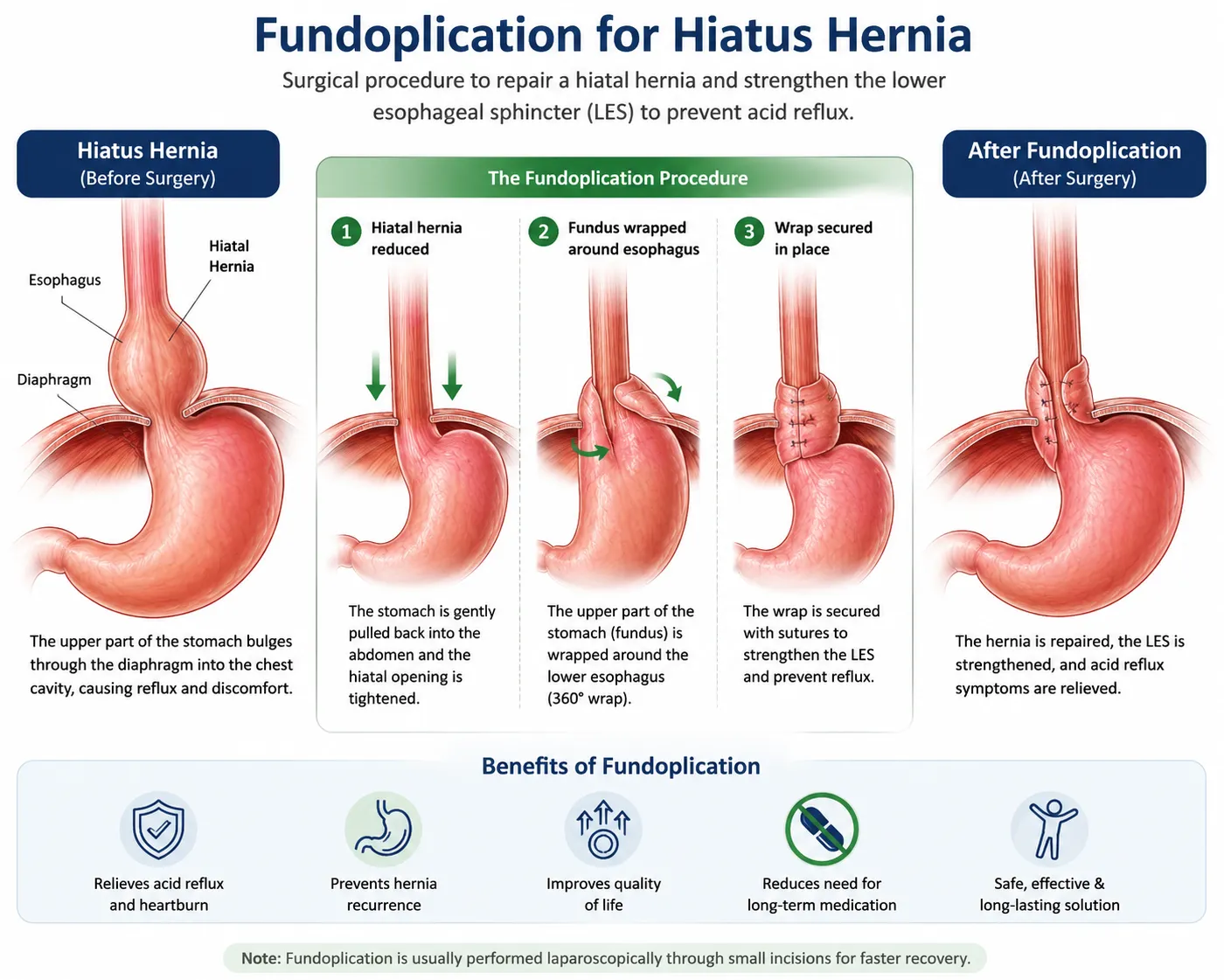
A hiatus hernia occurs when part of the stomach moves upward through the diaphragm into the chest. Some people have no symptoms, while others experience persistent acid reflux, regurgitation, chest discomfort, coughing or difficulty swallowing.
Medicines and lifestyle changes are often the first steps in treatment. When symptoms remain troublesome or complications develop, fundoplication may be considered. Dr Hemant Chhajed evaluates the type of hiatus hernia and the pattern of reflux before determining whether surgery is appropriate.
Why Hiatus Hernia and Acid Reflux Are Connected
The diaphragm helps support the lower oesophageal sphincter, which acts as a barrier between the stomach and food pipe. When the stomach moves through the diaphragm, this barrier may weaken and allow acid to travel upward.
Symptoms may include:
- Burning behind the breastbone
- Sour or bitter fluid in the mouth
- Food regurgitation
- Symptoms that worsen when lying down
- Chronic cough or throat irritation
- Difficulty swallowing
- Upper abdominal discomfort
- Disturbed sleep
Because chest pain can also have cardiac causes, new or severe chest discomfort should not automatically be attributed to acidity.
When Is Fundoplication Considered?
Surgery may be evaluated when reflux remains poorly controlled despite appropriate medical treatment or when the patient experiences significant regurgitation, inflammation of the oesophagus or a large symptomatic hernia.
Other reasons may include intolerance to long-term reflux medicines, aspiration-related symptoms or complications associated with a paraoesophageal hernia.
Not everyone with acidity needs surgery. The decision should be based on confirmed reflux, examination findings and appropriate investigations.
Evaluation Before Hiatus Hernia Surgery in Nagpur
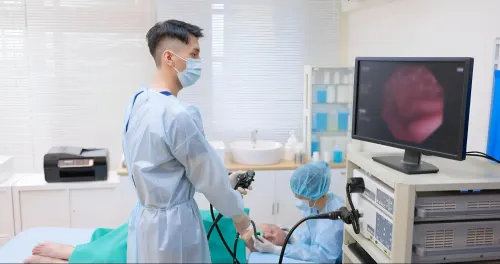
Patients considering fundoplication in Nagpur, Maharashtra, may undergo an upper gastrointestinal endoscopy, contrast swallow study, pH monitoring or oesophageal manometry.
These investigations help determine:
- The size and type of hiatus hernia
- Whether acid reflux is objectively present
- The condition of the oesophageal lining
- How well the oesophageal muscles work
- Whether another condition is causing the symptoms
This assessment is important because surgery performed for incorrectly attributed symptoms may not deliver the expected relief.
What Happens During Fundoplication?
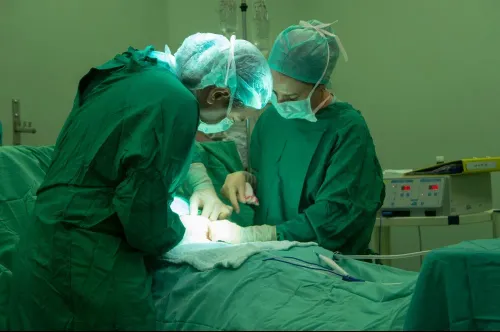
The stomach is brought back into its normal abdominal position, and the opening in the diaphragm is repaired. The upper part of the stomach is then wrapped partially or completely around the lower oesophagus to strengthen the reflux barrier.
The procedure is commonly performed laparoscopically. The choice between a complete and partial wrap depends on swallowing function, anatomy and surgical judgement.
Recovery and Eating After Surgery
A temporary staged diet is usually needed while swelling settles and the repaired area heals. Patients may begin with liquids before progressing to soft foods and regular meals.
Helpful habits include:
- Eating smaller portions.
- Chewing every bite thoroughly.
- Eating slowly.
- Avoiding carbonated drinks during early recovery.
- Remaining upright after meals.
- Avoiding heavy lifting for the advised period.
Temporary bloating, difficulty belching or mild swallowing discomfort can occur. Persistent vomiting, severe pain, fever, breathing difficulty or inability to swallow requires prompt evaluation.
Fundoplication can provide significant symptom control for appropriately selected patients, but careful testing is essential before surgery.
For an assessment of persistent reflux or a symptomatic hiatus hernia, schedule a consultation with Dr Hemant Chhajed.
Keywords